5 Uncommon Myths About Invisalign Braces

Invisalign Braces

If you’re unhappy with the alignment of your teeth or have noticeable gaps, you’re likely to consider various cosmetic dental treatments to achieve your desired smile. Orthodontic options, such as Invisalign treatment and traditional braces, can effectively address these concerns. While Invisalign teeth straightening has gained popularity among adults seeking a discreet solution, misconceptions about its functionality can arise during your research. To provide you with accurate information about the Invisalign treatment process in Sydney, we’ve debunked some common myths below. This will help you make an informed decision to achieve the smile you’ve always wanted!

The image shows a patient wearing Invisalign clear aligners, highlighting their discreet, custom fit. It also relates to treatment costs at the Randwick clinic, emphasising affordability and flexible payment options. The visual communicates comfort, confidence, and modern orthodontic care, reassuring patients that Invisalign is both effective and accessible while improving dental alignment and overall smile aesthetics.

Invisalign’s Effectiveness Compared to Braces

Contrary to a common misconception, Invisalign is equally effective as traditional braces for addressing common alignment issues like crooked or spaced teeth. In some instances, even more complex cases can be successfully treated with Invisalign, but this requires the expertise of a skilled dentist or orthodontist. The primary factor that may affect the effectiveness of Invisalign treatment is the patient’s commitment to wearing the aligners for the recommended 22 hours daily, only removing them for eating, drinking, and oral hygiene to ensure optimal progress.

Pain Perception in Invisalign Treatment

Orthodontic treatments often come with some level of discomfort due to the pressure applied to straighten teeth. However, Invisalign typically causes less pain and discomfort compared to traditional braces. This is because of their comfortable design, which minimises issues like scratches, cuts, and irritation to the lips and cheeks commonly associated with braces.

Wearing a Retainer After Invisalign

Choosing Invisalign doesn’t exempt you from the need for a retainer. It’s essential to wear a retainer at night to maintain your newly aligned teeth. Without it, your teeth can gradually shift back to their original positions, rendering your efforts and investment in achieving a straighter smile futile. In such cases, you may need to undergo additional treatment at your own expense.

Fortunately, retainers come in discreet forms, similar to your Invisalign aligners, or as a wire bonded to the back of your teeth.

Advanced Preparation for Invisalign Treatment

In certain situations, your dentist or orthodontist might recommend preparatory steps before commencing orthodontic treatment, such as tooth extraction or reshaping through sandpapering. This is done to enhance treatment outcomes and is applicable to both Invisalign and braces. While more challenging cases may benefit from traditional braces, they are more likely to involve extractions compared to less complicated Invisalign cases.

Seeing a Dentist for Invisalign

While there are emerging online brands of clear aligners that don’t require in-person dentist appointments, it’s crucial to remember that the alignment of your teeth, bite, and jaw is a highly specialised process. For the most effective and safe treatment, it is advisable to seek the expertise of a qualified dentist or orthodontist. They can not only oversee the treatment but also make any essential adjustments along the way, ensuring that your teeth straightening journey is tailored to your unique needs and results in a correctly aligned smile.

Undergoing Invisalign treatment in Sydney with one of our highly experienced dentists will mean you receive customised care and planning, as well as regular visits to ensure your treatment is on track to getting you the straightest smile possible!

Need more help?
We are by your side.
Please send us a message.
Our friendly staff are ready to assist you.

What others are looking at

The image shows a visual representation related to the cost of orthodontic braces. It may include a person, dental imagery, or symbolic financial elements connected to orthodontic treatment. The photograph focuses on illustrating the concept of treatment cost or payment considerations. The composition highlights elements associated with dental treatment and financial planning related to orthodontic procedures.

Ceramic Braces

Are ceramic braces invisible? Are they right for me?

The image shows individuals sitting together with coffee while discussing or reviewing documents, possibly related to orthodontic treatment planning or financial arrangements. The photograph focuses on people interacting in a casual environment with beverages placed on a table. The visual highlights discussion, planning, or consultation activity while seated in a relaxed setting.

Braces Cost

What's the cost? How you treatment affects the cost.

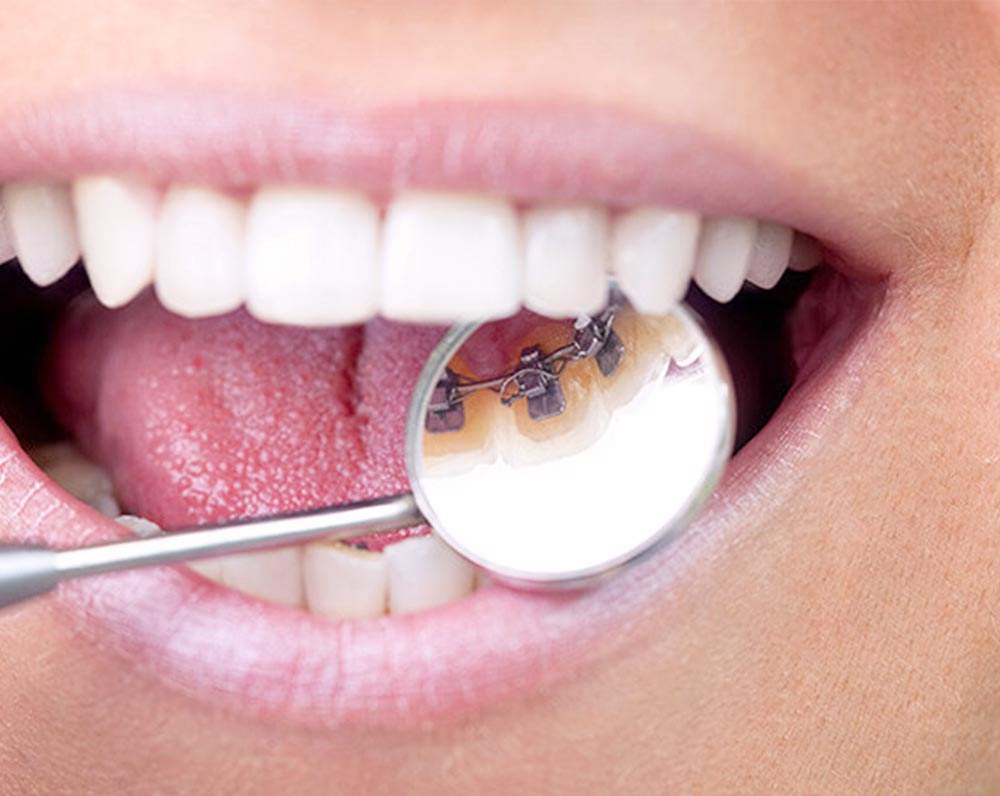
The image shows lingual braces attached to the inner surfaces of the lower teeth. The braces are positioned behind the teeth facing the tongue rather than the front surfaces. The photograph focuses on the placement of brackets and wires along the inner side of the lower dental arch. The visual clearly shows the structure and positioning of lingual braces inside the mouth.

Lingual Braces

So what if you could hide your braces behind the teeth?

Keep Calm, Smile On.

The image shows a person’s teeth fitted with clear aligners. The aligners appear as transparent trays placed over the upper or lower teeth. The photograph highlights how the aligners fit closely to the dental structure. The focus is on the appliance covering the teeth while maintaining a natural appearance. The image clearly displays how clear aligners look when worn inside the mouth.
The image shows another detailed view of teeth wearing clear braces. The orthodontic brackets appear tooth-coloured and connected with a thin wire. The focus is on showing how the braces fit along the teeth and align across the dental arch. The visual highlights the discreet appearance of the orthodontic appliance when placed on the front of teeth.
The image shows teeth fitted with clear braces that use transparent or tooth-coloured brackets. The braces are attached to the front surfaces of the teeth and connected by a thin wire. The visual highlights how the brackets blend with the natural tooth colour. The image focuses closely on the dental structure to clearly show the orthodontic appliance and its positioning.
The image shows teeth wearing clear aligners fitted closely over the dental surfaces. The transparent trays follow the shape of the teeth and appear smooth and nearly invisible. The photograph focuses on the aligners positioned inside the mouth. The image clearly displays how removable aligner trays look when placed on teeth during orthodontic treatment.
The image shows teeth fitted with clear braces positioned across the dental arch. The brackets appear transparent or tooth-coloured and are connected by an orthodontic wire. The visual highlights how the appliance sits on the tooth surfaces. The image focuses on the braces and their alignment across the teeth during orthodontic treatment.
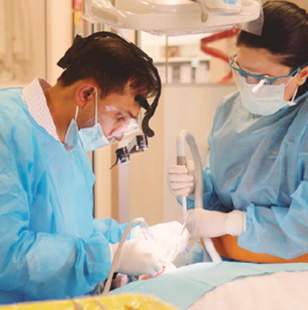
The image shows the interior or exterior of a dental or orthodontic practice environment. It likely includes clinical furniture, treatment chairs, or reception space. The setting appears clean and organised, showing equipment or areas used for patient care. The image focuses on the overall practice layout and professional clinical atmosphere. The visual gives a general view of a dental treatment setting.
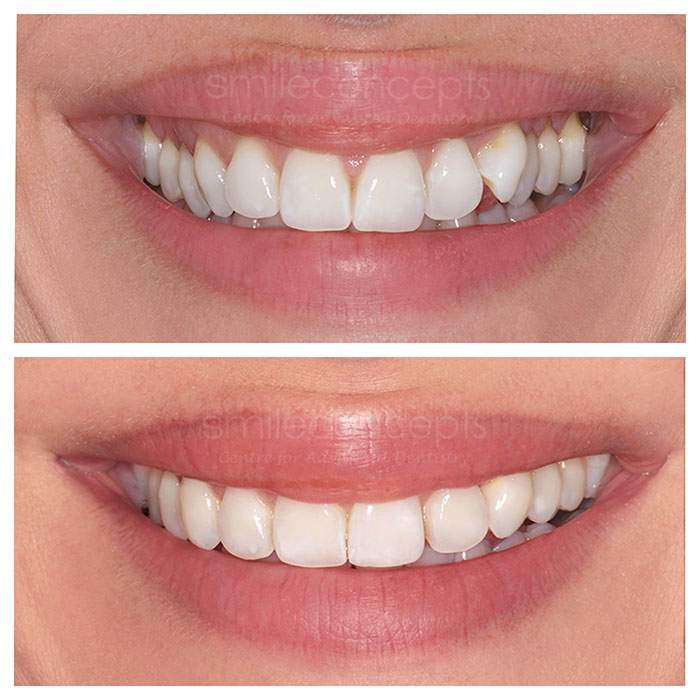
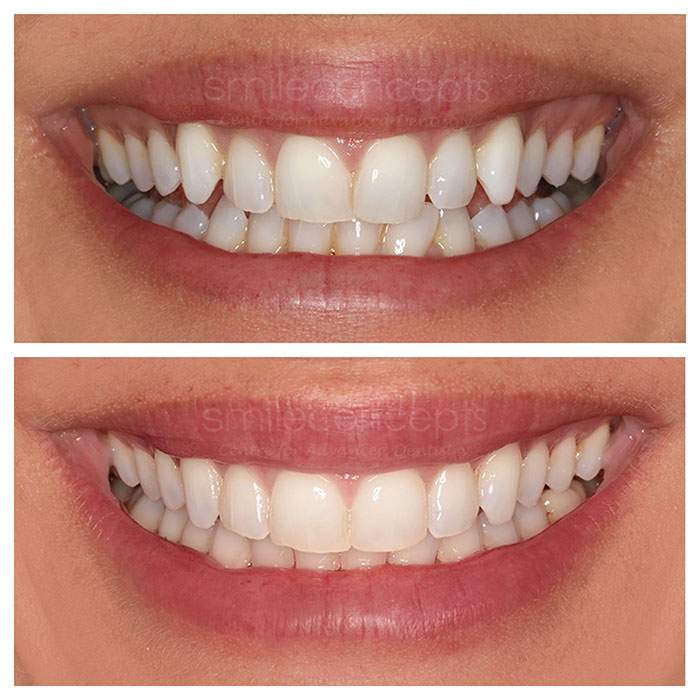
The image shows a close-up dental photograph or orthodontic visual focusing on teeth alignment or orthodontic treatment progress. The visual highlights the dental structure, tooth positioning, and possible orthodontic appliances. The photograph emphasises dental details and arrangement of teeth while showing the orthodontic condition or treatment stage.
The image shows a graphic or photograph representing clear braces attached to teeth. The braces appear tooth-coloured or transparent and are positioned on the front surfaces of the teeth. The visual focuses on how clear braces blend with natural tooth colour. The composition highlights the placement and appearance of orthodontic brackets designed to be less noticeable.

Free City Parking Available | Interest Free Payment Plans