Do’s and Don’ts of Orthodontist Treatment

Invisible braces like Invisalign have become a popular choice for those seeking to straighten their teeth without the noticeable appearance of traditional metal braces. They offer a smoother and comfortable way to achieve a perfect smile. However, to get the best results from your Invisalign braces, it’s important to follow certain guidelines. Here are some do’s and don’ts to keep in mind while wearing invisible braces in Sydney.

Do’s

Do Wear Your Aligners for the Recommended Time

For your Invisalign treatment in Sydney to be effective, it’s crucial to wear your aligners for at least 20 to 22 hours per day. Only remove them when eating, drinking (anything other than water); or brushing your teeth. Consistency is key to ensuring that your teeth move according to plan.

Do Clean Your Aligners Regularly

Keeping your aligners clean is essential for maintaining good oral hygiene and preventing any unpleasant odours. Rinse your aligners with lukewarm water every time you remove them and brush them gently with a soft toothbrush daily. Avoid using toothpaste on your aligners, as it can be too abrasive and cause scratches.

Do Brush and Floss Your Teeth After Every Meal

Before putting your aligners back in after eating; make sure to brush & floss your teeth. This prevents food particles from getting trapped between your teeth and aligners; reducing the risk of cavities & gum disease. If you’re on the go, consider carrying a travel toothbrush and floss to maintain your routine.

Do Follow Your Orthodontist’s Instructions

Your orthodontist in Sydney will provide specific instructions for your Invisalign braces; including how to care for your aligners and when to switch to a new set. Following these instructions closely will help you achieve the best possible results in the shortest amount of time.

Do Keep Your Aligners in Their Case When Not in Use

Whenever you remove your aligners; be sure to store them in their designated case. This helps prevent loss or damage & keeps them clean. Avoid wrapping them in napkins or leaving them exposed on surfaces where they can easily be misplaced or forgotten.

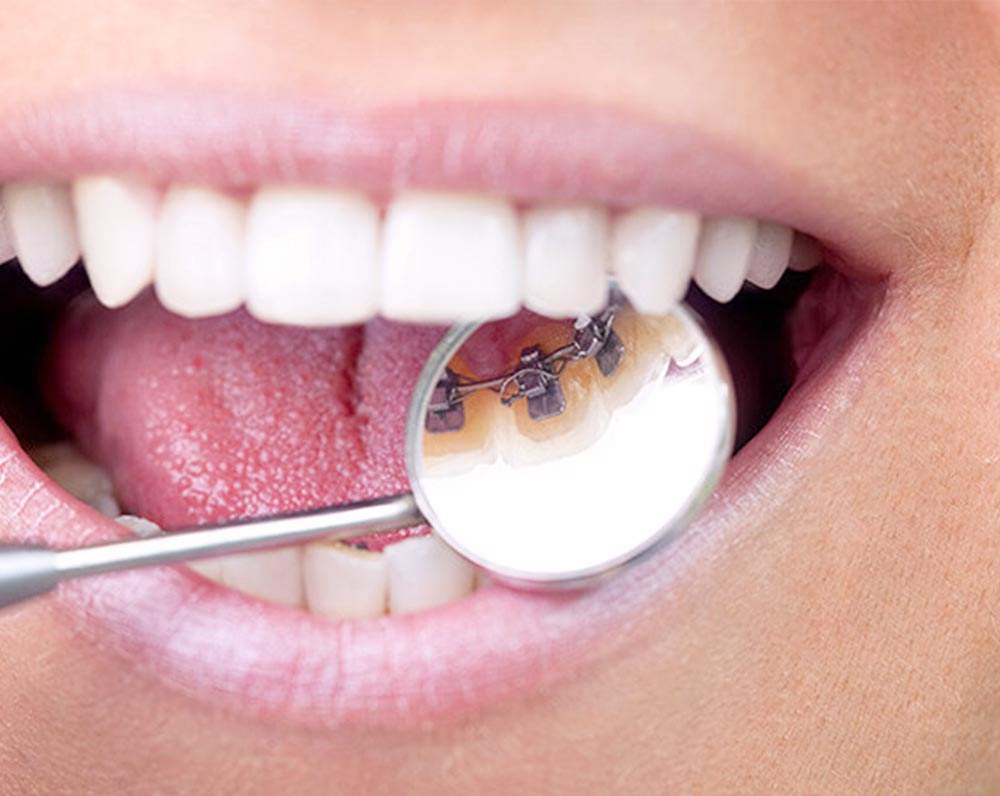
The image shows teeth fitted with traditional orthodontic braces attached to the front surfaces of the teeth. The braces include brackets connected by an orthodontic wire running across multiple teeth. The photograph focuses on the placement of the brackets and wires used to adjust dental alignment. The visual clearly displays the structure and arrangement of braces along the dental arch.

Don’ts

Don’t Eat or Drink with Your Aligners In

Eating or drinking anything other than water while wearing your aligners can lead to staining, odours, and even damage to the aligners. Food particles can get trapped, leading to plaque buildup and increasing the risk of cavities. Always remove your aligners before consuming anything.

Don’t Use Hot Water to Clean Your Aligners

Hot water can warp the plastic of your aligners, making them less effective or even unusable. Always use lukewarm water when rinsing or cleaning your aligners to keep them in good shape.

Don’t Skip Your Orthodontist Appointments

Regular check-ups with your orthodontist are essential to monitor your progress and make any necessary adjustments to your treatment plan. Missing appointments can delay your treatment and lead to complications.

Don’t Leave Your Aligners Out in the Open

Leaving your aligners out in the open; especially in warm or sunny areas; can cause them to warp or collect bacteria. Always store them in their case when not in use to keep them safe and clean.

Don’t Ignore Discomfort

It’s normal to experience some discomfort when you first start wearing your aligners or when switching to a new set. However; if the discomfort is severe or persists, contact your orthodontist. They can check if the aligners fit correctly or if any adjustments are needed.

Wearing invisible braces, such as Invisalign in Sydney, is a commitment that requires careful attention to detail. By following these do’s and don’ts; you can ensure that your treatment progresses smoothly and effectively. Whether you’re new to Invisalign or are already undergoing treatment, adhering to these guidelines will help you achieve the beautiful smile you’ve always wanted. If you have any questions or concerns about your invisible braces, don’t hesitate to reach out to your orthodontist in Sydney for personalised advice and support.

Need more help?
We are by your side.
Please send us a message.
Our friendly staff are ready to assist you.

What others are looking at

The image shows a visual representation related to the cost of orthodontic braces. It may include a person, dental imagery, or symbolic financial elements connected to orthodontic treatment. The photograph focuses on illustrating the concept of treatment cost or payment considerations. The composition highlights elements associated with dental treatment and financial planning related to orthodontic procedures.

Ceramic Braces

Are ceramic braces invisible? Are they right for me?

The image shows individuals sitting together with coffee while discussing or reviewing documents, possibly related to orthodontic treatment planning or financial arrangements. The photograph focuses on people interacting in a casual environment with beverages placed on a table. The visual highlights discussion, planning, or consultation activity while seated in a relaxed setting.

Braces Cost

What's the cost? How you treatment affects the cost.

The image shows lingual braces attached to the inner surfaces of the lower teeth. The braces are positioned behind the teeth facing the tongue rather than the front surfaces. The photograph focuses on the placement of brackets and wires along the inner side of the lower dental arch. The visual clearly shows the structure and positioning of lingual braces inside the mouth.

Lingual Braces

So what if you could hide your braces behind the teeth?

Keep Calm, Smile On.

The image shows a person’s teeth fitted with clear aligners. The aligners appear as transparent trays placed over the upper or lower teeth. The photograph highlights how the aligners fit closely to the dental structure. The focus is on the appliance covering the teeth while maintaining a natural appearance. The image clearly displays how clear aligners look when worn inside the mouth.
The image shows another detailed view of teeth wearing clear braces. The orthodontic brackets appear tooth-coloured and connected with a thin wire. The focus is on showing how the braces fit along the teeth and align across the dental arch. The visual highlights the discreet appearance of the orthodontic appliance when placed on the front of teeth.
The image shows teeth fitted with clear braces that use transparent or tooth-coloured brackets. The braces are attached to the front surfaces of the teeth and connected by a thin wire. The visual highlights how the brackets blend with the natural tooth colour. The image focuses closely on the dental structure to clearly show the orthodontic appliance and its positioning.
The image shows teeth wearing clear aligners fitted closely over the dental surfaces. The transparent trays follow the shape of the teeth and appear smooth and nearly invisible. The photograph focuses on the aligners positioned inside the mouth. The image clearly displays how removable aligner trays look when placed on teeth during orthodontic treatment.
The image shows teeth fitted with clear braces positioned across the dental arch. The brackets appear transparent or tooth-coloured and are connected by an orthodontic wire. The visual highlights how the appliance sits on the tooth surfaces. The image focuses on the braces and their alignment across the teeth during orthodontic treatment.
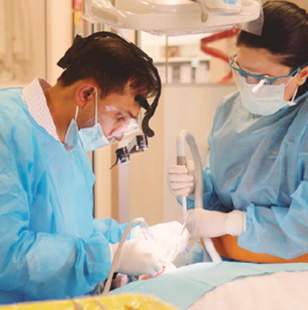
The image shows the interior or exterior of a dental or orthodontic practice environment. It likely includes clinical furniture, treatment chairs, or reception space. The setting appears clean and organised, showing equipment or areas used for patient care. The image focuses on the overall practice layout and professional clinical atmosphere. The visual gives a general view of a dental treatment setting.
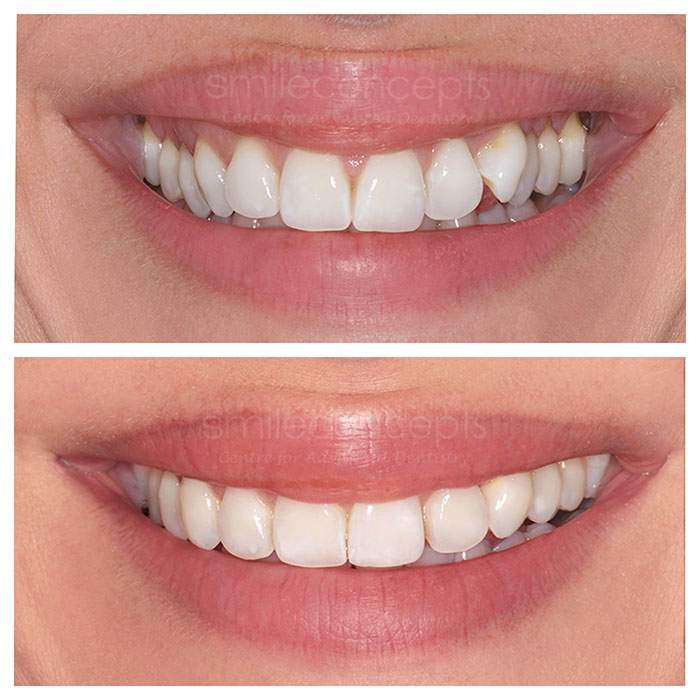
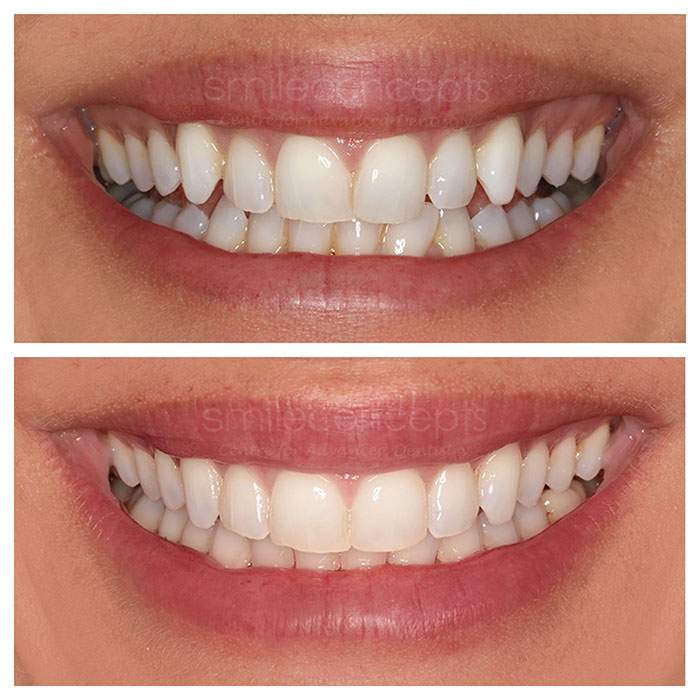
The image shows a close-up dental photograph or orthodontic visual focusing on teeth alignment or orthodontic treatment progress. The visual highlights the dental structure, tooth positioning, and possible orthodontic appliances. The photograph emphasises dental details and arrangement of teeth while showing the orthodontic condition or treatment stage.
The image shows a graphic or photograph representing clear braces attached to teeth. The braces appear tooth-coloured or transparent and are positioned on the front surfaces of the teeth. The visual focuses on how clear braces blend with natural tooth colour. The composition highlights the placement and appearance of orthodontic brackets designed to be less noticeable.

Free City Parking Available | Interest Free Payment Plans