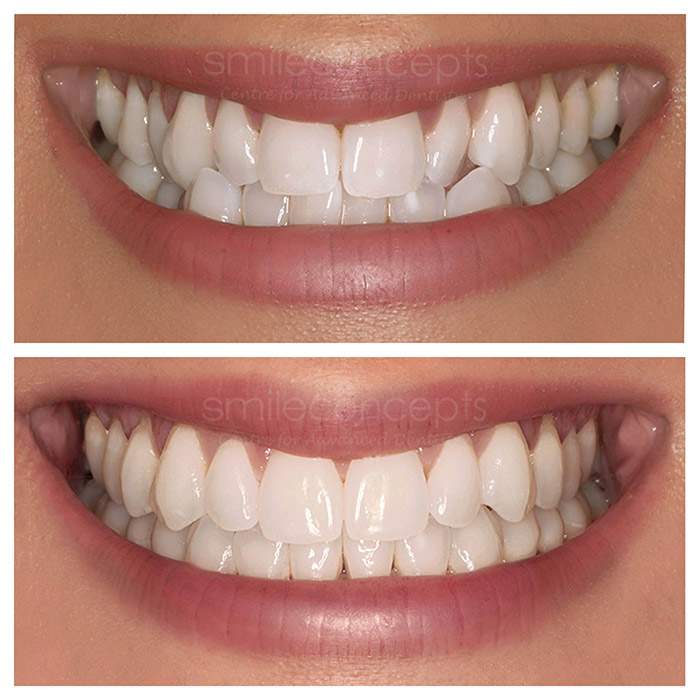
This banner features Inman Aligners, a fast and discreet orthodontic solution for front teeth alignment. It highlights efficiency, convenience, and aesthetic benefits. The visual encourages patients to explore modern treatment options that deliver predictable, comfortable results in a shorter time frame than traditional braces.

Nutritional Medicine and Orthodontic Healing: Foods That Speed Recovery

Orthodontic treatment? It’s not all Instagram-worthy progress pics. There’s soreness. Waiting. And that annoying feeling when your mouth just won’t cooperate with those new appliances pressing against your teeth.​

Look, nobody enjoys the discomfort part. You want fast results without the frustration. But here’s what most orthodontists won’t emphasize enough: your fork holds serious power when it comes to recovery speed.​

Nutritional medicine changes the game. When you’re seeing the best orthodontist that Sydney can provide at Clear Braces Orthodontics, you’re not just getting wire adjustments and dental checkups. You’re getting real strategies about which foods genuinely accelerate tissue healing and bone remodeling. This blog demystifies the most important nutrients, the foods worth consuming, and some truthful advice that will help you make the most out of your orthodontic experience.

Table of Contents

How Nutrition Affects Orthodontic Recovery

Teeth shifting isn’t magic. It’s bone remodeling, plain and simple. Your body’s literally reconstructing the architecture around each tooth. Complicated? Absolutely. But it needs fuel to make it happen.​ Poor calcium intake compromises your bone density and strength, which matters tremendously during orthodontic adjustments. Diet impacts treatment speed. Here’s what your body demands:​

  • Calcium plus vitamin D for robust bone metabolism
  • Protein building collagen and repairing soft tissues
  • Vitamin C maintaining gum integrity and speeding regeneration
  • Zinc powering immune responses and cellular division

Key Nutrients for Faster Healing

Calcium and Vitamin D

These two? Inseparable partners. They strengthen bones and teeth while everything’s moving around. Low vitamin D actually slows tooth movement. Significantly. Without adequate vitamin D, your body fumbles calcium absorption, making both nutrients absolutely critical.​

What should you eat?

  • Milk products: milk, yoghurt, cheese.
  • Nutrient enriched plant milks (read labels attentively)
  • Salmon, mackerel (fatty fish).
  • Egg yolks pack surprising vitamin D

Protein for Tissue Repair

That tender feeling post-adjustment? Your tissues are adapting, and they’re hungry for protein. It’s not just about muscles. Collagen, the structural foundation of mouth tissues, depends entirely on protein. Every amino acid contributes to cellular regeneration happening beneath the surface.​

Stock up on:

  • Lean cuts, tender chicken and turkey.
  • Seafood and fish products (omega-3 bonus)
  • Plant-based beans, legumes.
  • Greek yogurt, cottage cheese (soft, high in protein)

Vitamin C and Zinc

Vitamin C doesn’t get enough respect. Collagen synthesis? That’s vitamin C territory. Stronger gums, faster tissue repair. And zinc? Working overtime on immune function, protein creation, cell division. Both matter tremendously when orthodontic forces are reshaping your mouth.​

Fill your plate with:

  • Oranges, a vitamin C source, strawberries
  • Leafy greens (high in C), bell peppers.
  • Nuts, seeds delivering zinc
  • Shellfish, whole grains for zinc content

Foods That Accelerate Recovery

Greek yogurt is trending, and there is a very good reason for that. With it, you get nutrition without aggravating sensitive areas. Soups and broths? They hydrate while boosting saliva production, your mouth’s natural cavity fighter. Gentle on tender spots, packed with nutrients.​

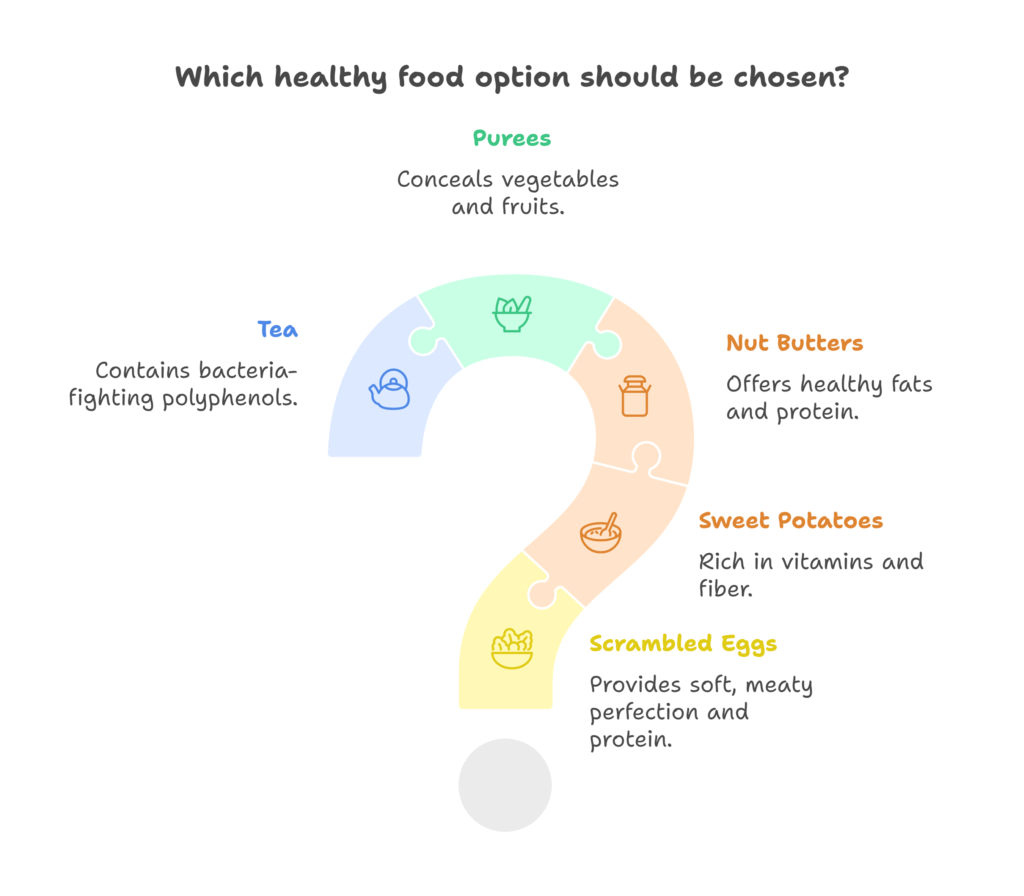
Your recovery grocery list:

  • Scrambled eggs (soft, meaty perfection)
  • Vitamin-rich and fiber-rich mashed sweet potatoes.
  • Spread healthy fats, protein Nut butters.
  • Purees concealing vegetables, fruits.
  • Tea that has bacteria-fighting polyphenols in it.

While focusing on nutrient-rich foods that speed recovery, it’s equally important to understand which foods to love and which to limit during your orthodontic treatment to protect your braces and maximize healing.
Stop-the-Bleed_-5-Procurement-Mistakes-That-Are-Draining-Your-Budget-visual-selection

Get Professional Guidance

Consult your best orthodontist Sydney offers at Clear Braces Orthodontics. Schedule your appointment today. Achieve your healthiest smile faster.

FAQs

 Dairy products, lean proteins, eggs, Greek yogurt, and vitamin C rich foods fasten healing processes.

Yes, sufficient vitamin D concentration will decrease the time taken to align and aid tooth movement in the course of treatment.

Protein assists in collagen formation and tissue repair involved in the process of adapting oral tissues to orthodontic forces.

Proper nutrition helps to heal and adapt the tissues quicker, which might decrease the discomfort in the course of treatment.

Do not use hard, sticky and sweet foods that may cause rot.

Your Path to Faster Healing Starts Here

Food matters. It really matters. The right nutrients support natural healing and potentially cut treatment duration. At Clear Braces Orthodontics, we don’t just straighten teeth. We treat people by advising them on the kind of food they need to take to fasten the healing process after a dental procedure.

This full-body portrait of Dr. Kinnar highlights professionalism, expertise, and approachability. It presents him as a trusted orthodontic practitioner committed to delivering high-quality care. His confident and welcoming presence reassures patients about personalised treatment options, advanced procedures, and compassionate guidance throughout their smile journey. The image emphasises dedication, skill, and patient-focused service, helping potential patients feel comfortable and confident in choosing orthodontic solutions under his care. It communicates trust, credibility, and the human element central to exceptional dental care experiences.
Principle Dentist

Dr. Kinnar Shah

BDS (University of Glasgow)

  • BDS (University of Glasgow)
  • Certified High Performance Coach
  • Certified Gallup Strengths Coach
  • NLP Master Coach
Need more help?
We are by your side.
Please send us a message.
Our friendly staff are ready to assist you.

What others are looking at

The image shows a visual representation related to the cost of orthodontic braces. It may include a person, dental imagery, or symbolic financial elements connected to orthodontic treatment. The photograph focuses on illustrating the concept of treatment cost or payment considerations. The composition highlights elements associated with dental treatment and financial planning related to orthodontic procedures.

Ceramic Braces

Are ceramic braces invisible? Are they right for me?

The image shows individuals sitting together with coffee while discussing or reviewing documents, possibly related to orthodontic treatment planning or financial arrangements. The photograph focuses on people interacting in a casual environment with beverages placed on a table. The visual highlights discussion, planning, or consultation activity while seated in a relaxed setting.

Braces Cost

What's the cost? How you treatment affects the cost.

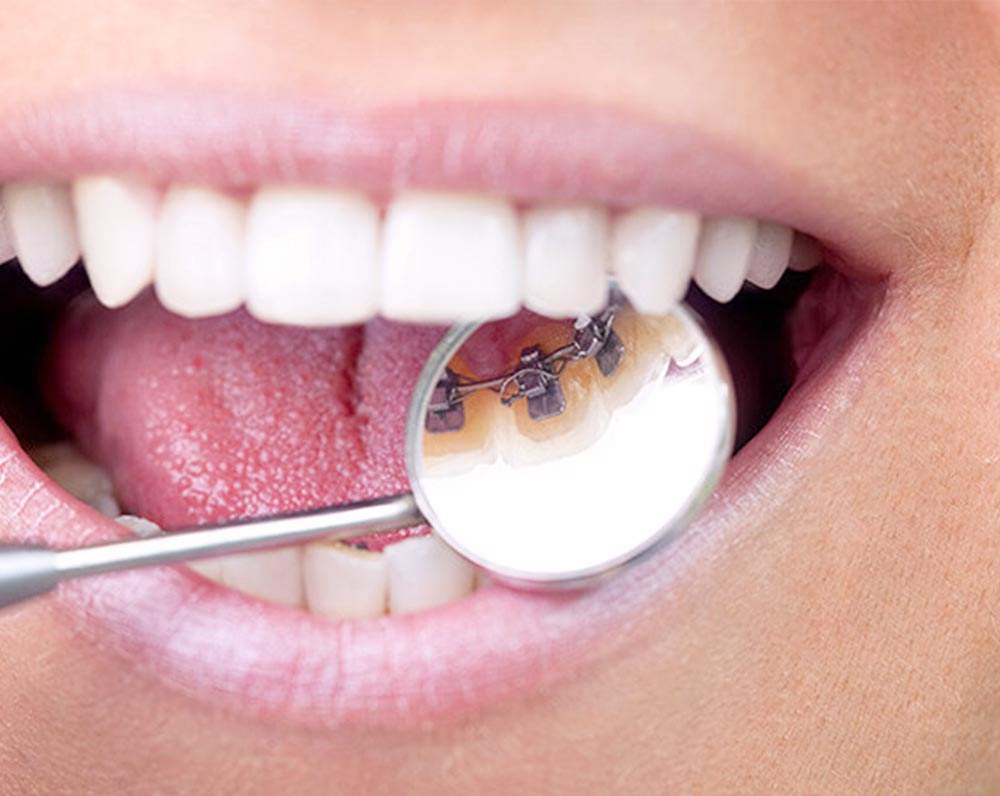
The image shows lingual braces attached to the inner surfaces of the lower teeth. The braces are positioned behind the teeth facing the tongue rather than the front surfaces. The photograph focuses on the placement of brackets and wires along the inner side of the lower dental arch. The visual clearly shows the structure and positioning of lingual braces inside the mouth.

Lingual Braces

So what if you could hide your braces behind the teeth?

Keep Calm, Smile On.

The image shows a person’s teeth fitted with clear aligners. The aligners appear as transparent trays placed over the upper or lower teeth. The photograph highlights how the aligners fit closely to the dental structure. The focus is on the appliance covering the teeth while maintaining a natural appearance. The image clearly displays how clear aligners look when worn inside the mouth.
The image shows another detailed view of teeth wearing clear braces. The orthodontic brackets appear tooth-coloured and connected with a thin wire. The focus is on showing how the braces fit along the teeth and align across the dental arch. The visual highlights the discreet appearance of the orthodontic appliance when placed on the front of teeth.
The image shows teeth fitted with clear braces that use transparent or tooth-coloured brackets. The braces are attached to the front surfaces of the teeth and connected by a thin wire. The visual highlights how the brackets blend with the natural tooth colour. The image focuses closely on the dental structure to clearly show the orthodontic appliance and its positioning.
The image shows teeth wearing clear aligners fitted closely over the dental surfaces. The transparent trays follow the shape of the teeth and appear smooth and nearly invisible. The photograph focuses on the aligners positioned inside the mouth. The image clearly displays how removable aligner trays look when placed on teeth during orthodontic treatment.
The image shows teeth fitted with clear braces positioned across the dental arch. The brackets appear transparent or tooth-coloured and are connected by an orthodontic wire. The visual highlights how the appliance sits on the tooth surfaces. The image focuses on the braces and their alignment across the teeth during orthodontic treatment.
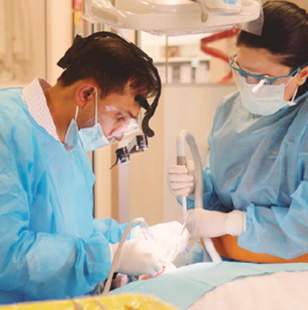
The image shows the interior or exterior of a dental or orthodontic practice environment. It likely includes clinical furniture, treatment chairs, or reception space. The setting appears clean and organised, showing equipment or areas used for patient care. The image focuses on the overall practice layout and professional clinical atmosphere. The visual gives a general view of a dental treatment setting.
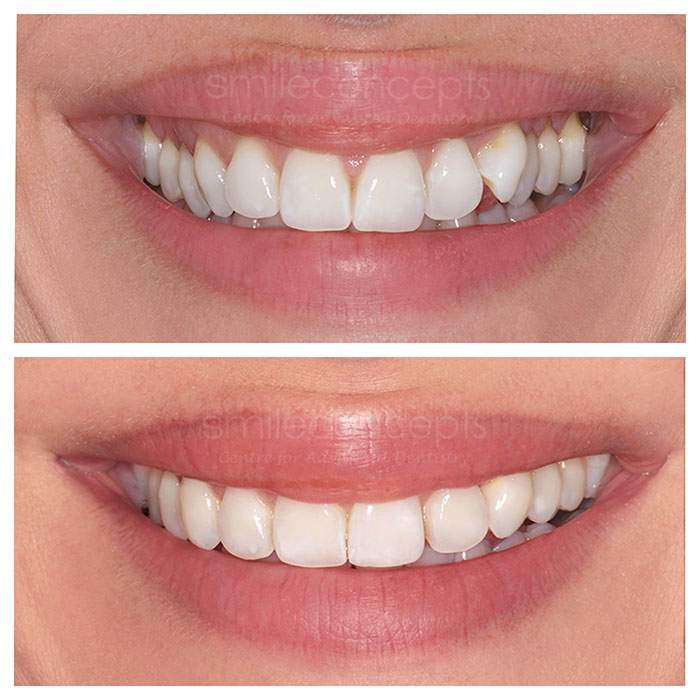
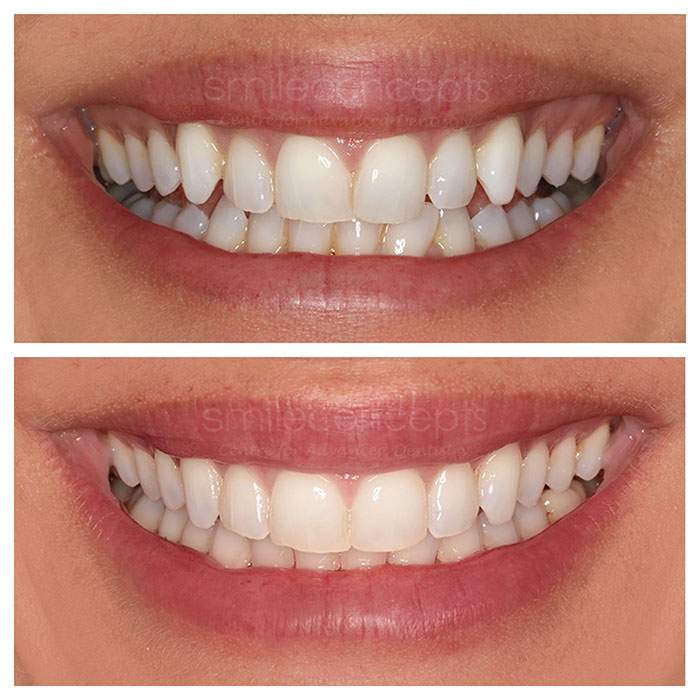
The image shows a close-up dental photograph or orthodontic visual focusing on teeth alignment or orthodontic treatment progress. The visual highlights the dental structure, tooth positioning, and possible orthodontic appliances. The photograph emphasises dental details and arrangement of teeth while showing the orthodontic condition or treatment stage.
The image shows a graphic or photograph representing clear braces attached to teeth. The braces appear tooth-coloured or transparent and are positioned on the front surfaces of the teeth. The visual focuses on how clear braces blend with natural tooth colour. The composition highlights the placement and appearance of orthodontic brackets designed to be less noticeable.

Free City Parking Available | Interest Free Payment Plans