
The image features a joyful young boy wearing braces while enjoying music on headphones, illustrating that orthodontic treatment can be comfortable and fun for children. It shows that braces do not limit daily activities or enjoyment, emphasising positive experiences for younger patients. The photo reassures parents that children can adapt easily to treatment while maintaining confidence and happiness. It communicates the importance of early orthodontic intervention, modern care techniques, and a supportive environment that makes improving dental health an enjoyable, stress-free experience.

A New Era for Braces: How Artificial Intelligence Makes Orthodontic Care Easier

People everywhere want straight teeth and a great smile. However, regular trips to the clinic can be challenging, especially for families residing in smaller cities. At Clear Braces Orthodontics, we’re excited to talk about how artificial intelligence (AI) is making braces and aligners simpler, faster, and more convenient for everyone.

Table of Contents

How Artificial Intelligence Is Changing Orthodontic Care?

In the past, patients waited weeks to see how their teeth were moving. You had to go to the clinic, sit in the waiting room, and hope your progress was on track. Now, things are different. With help from AI, tracking tooth movement is much easier.

The process starts with the orthodontist taking photos, x-rays, and 3D scans of your teeth. Then, custom plastic aligners are made just for you. As your teeth start to move, you use your phone to take pictures of your mouth. These photos are uploaded to a secure app. AI technology looks at every photo and picks up on tiny movements. It can even see changes as small as 0.1 mm.

If your teeth are moving the right way, the orthodontist gets a notification, and you can continue at home. If something isn’t quite right, the orthodontist gets an alert to step in. This means fewer wasted trips, less waiting, and quicker fixes if problems come up.

“The future belongs to those who prepare for it today.” — Malcolm X.

The Main Benefits for Patients

Orthodontic care with AI isn’t just about high-tech gadgets. It provides tangible benefits that you can experience in your daily life.

  • You can save time because you do not have to make as many trips to the clinic.
  • It costs less because there are fewer travel miles and less time away from work or school.
  • The plan is more accurate because treatment can be adjusted quickly if teeth start to move in the wrong direction.
  • Local support is always available. Dental hygienists and other team members can help if you have questions or need hands-on advice.

Who gets the most out of this? Anyone who lives far from the clinic, families with busy schedules, and young people who miss school for regular appointments.

The Steps in AI-Enabled Treatment

  1. The orthodontist does a detailed check-up with pictures, 3D scans, and X-rays.
  2. You get your aligners and learn how to use a smartphone app.
  3. Every few weeks, you take new pictures of your teeth with your phone and upload them.
  4. AI checks the images and lets the orthodontist know how things are going.
  5. You get guidance through the app, and only visit the clinic if you need to.

Here’s a simple comparison:

Old WayNew Way (with AI)
VisibilityHome progress checks
Waiting in clinicsQuick phone uploads
Checks by the human eye Checks by AI and a dentist
Delays spotting problemsFast attention to issues

Why Does This Matter?

AI gives patients much more freedom. You can focus on your daily life and trust that your progress will be checked carefully. Small changes do not go unnoticed, and treatment is adjusted if needed before little problems become big ones.

For orthodontists, AI is a helpful tool is not a replacement for skill. It makes it easier to spot problems and support patients, even from far away.

FAQs

Yes. Photos are taken securely, and your orthodontist checks everything.

Just a smartphone and a scan box given by the clinic.

You will still visit for important steps or if something needs to be checked in person, but many checks can now be done remotely.

Yes. Teens and children benefit a lot because they miss fewer days at school.

AI is changing how we think about dental care. You get more control, simple instructions, and regular feedback. At Clear Braces Orthodontics, we make sure you get expert advice and support at every step. If you want to know how this works for your treatment, you can always contact our team for more details.
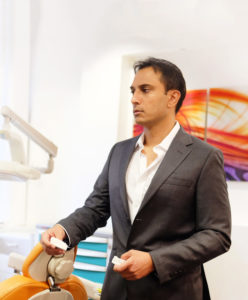
This professional full-length portrait of Dr. Manish Shah communicates authority, expertise, and approachability in orthodontics. The image reflects a trusted, compassionate practitioner who prioritises personalised care and long-term results for every patient. It conveys confidence, professionalism, and dedication to modern orthodontic solutions, including clear aligners and braces. By showcasing Dr. Manish’s approachable demeanor, it reassures patients that they will receive expert guidance in a supportive environment. The visual reinforces the practice’s commitment to patient satisfaction, comfort, and achieving beautifully aligned, healthy smiles.
Principle Dentist

Dr. Manish Shah

BDS, MBBS, MMED (Sleep Medicine)

  • Masters in Sleep Medicine
  • General Medical Practitioner
  • General, Implant and Cosmetic Dentist
  • Certified in TMJ & Craniofacial Pain Management
Need more help?
We are by your side.
Please send us a message.
Our friendly staff are ready to assist you.

What others are looking at

The image shows a visual representation related to the cost of orthodontic braces. It may include a person, dental imagery, or symbolic financial elements connected to orthodontic treatment. The photograph focuses on illustrating the concept of treatment cost or payment considerations. The composition highlights elements associated with dental treatment and financial planning related to orthodontic procedures.

Ceramic Braces

Are ceramic braces invisible? Are they right for me?

The image shows individuals sitting together with coffee while discussing or reviewing documents, possibly related to orthodontic treatment planning or financial arrangements. The photograph focuses on people interacting in a casual environment with beverages placed on a table. The visual highlights discussion, planning, or consultation activity while seated in a relaxed setting.

Braces Cost

What's the cost? How you treatment affects the cost.

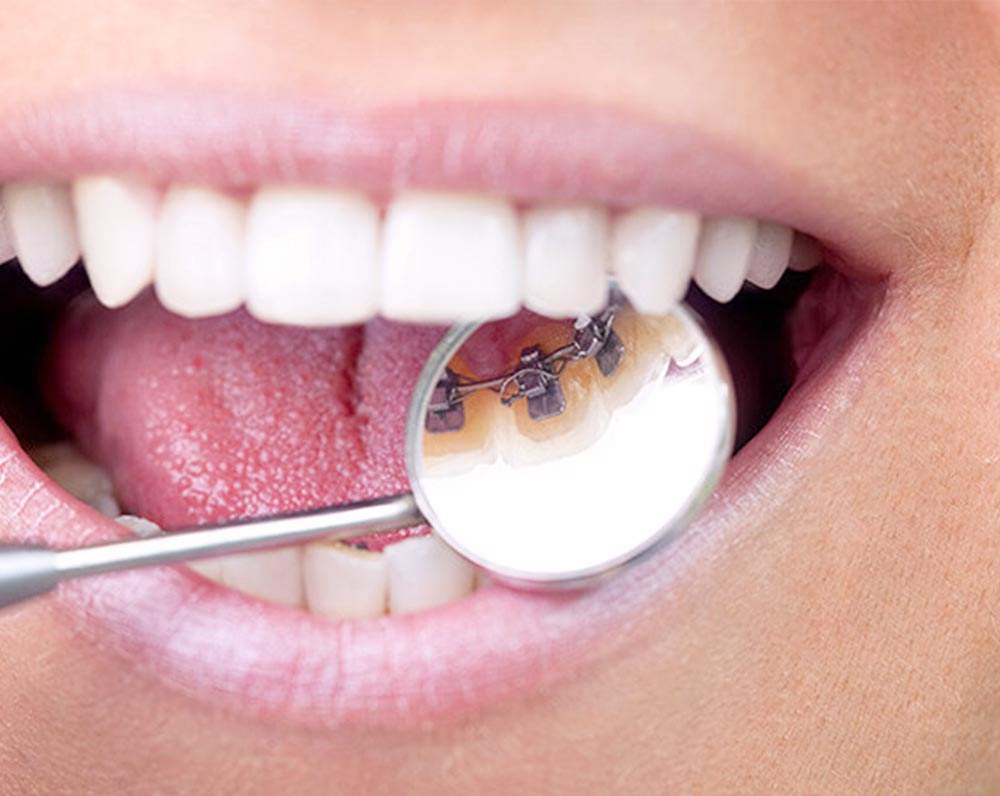
The image shows lingual braces attached to the inner surfaces of the lower teeth. The braces are positioned behind the teeth facing the tongue rather than the front surfaces. The photograph focuses on the placement of brackets and wires along the inner side of the lower dental arch. The visual clearly shows the structure and positioning of lingual braces inside the mouth.

Lingual Braces

So what if you could hide your braces behind the teeth?

Keep Calm, Smile On.

The image shows a person’s teeth fitted with clear aligners. The aligners appear as transparent trays placed over the upper or lower teeth. The photograph highlights how the aligners fit closely to the dental structure. The focus is on the appliance covering the teeth while maintaining a natural appearance. The image clearly displays how clear aligners look when worn inside the mouth.
The image shows another detailed view of teeth wearing clear braces. The orthodontic brackets appear tooth-coloured and connected with a thin wire. The focus is on showing how the braces fit along the teeth and align across the dental arch. The visual highlights the discreet appearance of the orthodontic appliance when placed on the front of teeth.
The image shows teeth fitted with clear braces that use transparent or tooth-coloured brackets. The braces are attached to the front surfaces of the teeth and connected by a thin wire. The visual highlights how the brackets blend with the natural tooth colour. The image focuses closely on the dental structure to clearly show the orthodontic appliance and its positioning.
The image shows teeth wearing clear aligners fitted closely over the dental surfaces. The transparent trays follow the shape of the teeth and appear smooth and nearly invisible. The photograph focuses on the aligners positioned inside the mouth. The image clearly displays how removable aligner trays look when placed on teeth during orthodontic treatment.
The image shows teeth fitted with clear braces positioned across the dental arch. The brackets appear transparent or tooth-coloured and are connected by an orthodontic wire. The visual highlights how the appliance sits on the tooth surfaces. The image focuses on the braces and their alignment across the teeth during orthodontic treatment.
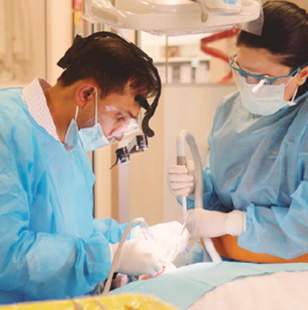
The image shows the interior or exterior of a dental or orthodontic practice environment. It likely includes clinical furniture, treatment chairs, or reception space. The setting appears clean and organised, showing equipment or areas used for patient care. The image focuses on the overall practice layout and professional clinical atmosphere. The visual gives a general view of a dental treatment setting.
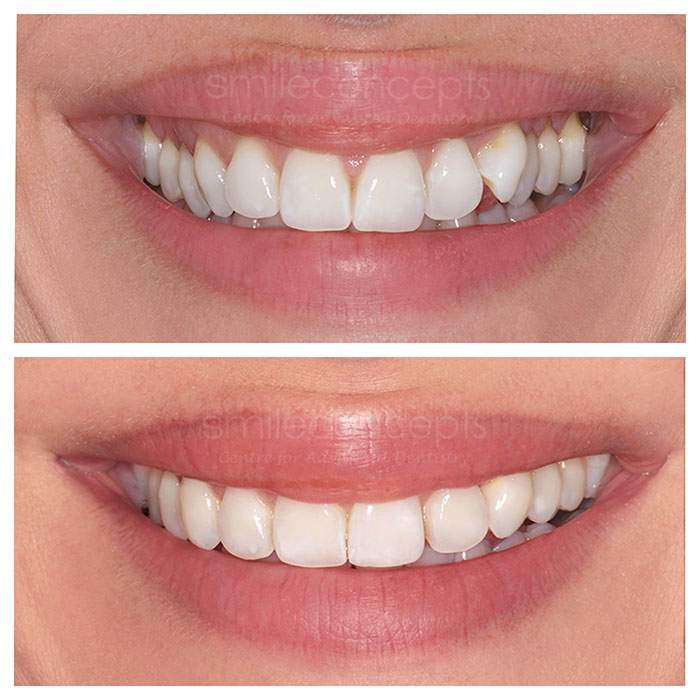
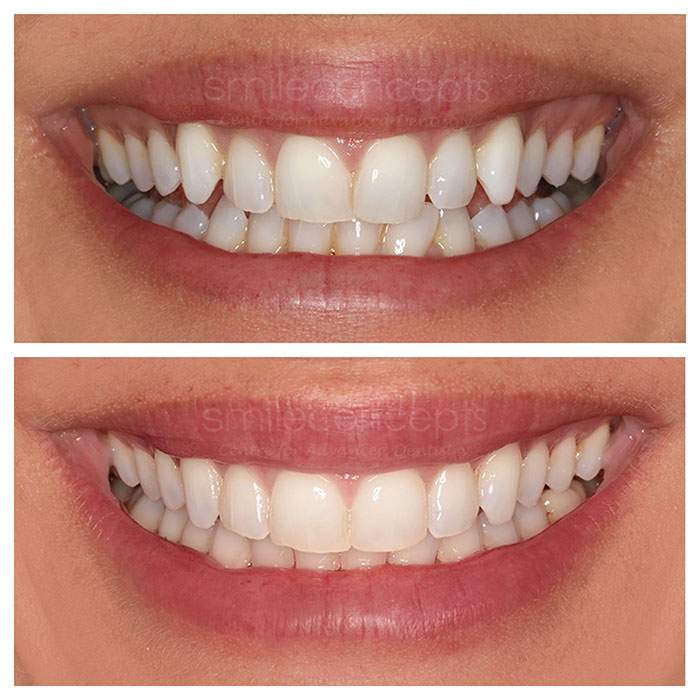
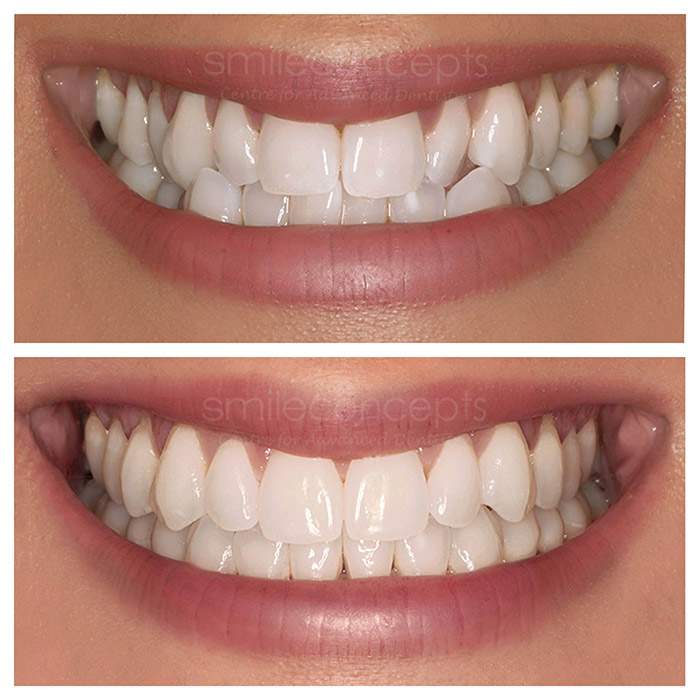
The image shows a close-up dental photograph or orthodontic visual focusing on teeth alignment or orthodontic treatment progress. The visual highlights the dental structure, tooth positioning, and possible orthodontic appliances. The photograph emphasises dental details and arrangement of teeth while showing the orthodontic condition or treatment stage.
The image shows a graphic or photograph representing clear braces attached to teeth. The braces appear tooth-coloured or transparent and are positioned on the front surfaces of the teeth. The visual focuses on how clear braces blend with natural tooth colour. The composition highlights the placement and appearance of orthodontic brackets designed to be less noticeable.

Free City Parking Available | Interest Free Payment Plans