Ceramic Brackets & Invisible Braces: Clearing Up 7 Common Misconceptions

At ClearBraces Orthodontics, we know that getting braces is a big step. But for many, misinformation can make the decision even harder. Some people worry about pain, while others believe braces are just for kids. With advancements in orthodontics, including ceramic brackets and invisible braces, treatment is now more comfortable and flexible than ever.

It’s time to clear up the confusion. Here are seven common myths about braces and the truth behind them.

Myth 1: Braces Are Only for Kids

Reality: Braces work for people of all ages. While many patients start treatment in their younger years, adults can also benefit. Whether you choose traditional braces, ceramic brackets, or invisible braces, options are available to suit your needs and lifestyle.

Myth 2: Braces Are Too Painful

Reality: While braces may cause slight discomfort, they are not as painful as many believe. Adjustments might lead to some pressure, but this feeling fades quickly. Modern orthodontic techniques ensure a comfortable experience with minimal irritation.

The image shows teeth fitted with traditional orthodontic braces attached to the front surfaces of the teeth. The braces include brackets connected by an orthodontic wire running across multiple teeth. The photograph focuses on the placement of the brackets and wires used to adjust dental alignment. The visual clearly displays the structure and arrangement of braces along the dental arch.

Myth 3: Braces Trigger Metal Detectors

Reality: This is one of the more amusing myths. Braces are made from lightweight materials that do not set off metal detectors. You can travel worry-free without unexpected alarms.

Myth 4: Braces Affect the Way You Talk

Reality: Any speech changes are temporary. You may experience a slight lisp when braces or aligners are first placed, but your tongue quickly adjusts. Within days, your speech will return to normal.

Myth 5: Braces Lead to Tooth Decay

Reality: Braces do not cause cavities. However, proper oral hygiene is essential. Food can get stuck around brackets, so brushing and flossing regularly is key. Ceramic brackets and invisible braces also make it easier to maintain cleanliness due to their smooth design.

Myth 6: Braces Work Instantly

Reality: Orthodontic treatment takes time. Teeth move gradually to ensure a healthy and stable alignment. The process can take several months to a few years, depending on individual needs. Patience leads to lasting results.

Myth 7: Metal Braces Are the Only Option

Reality: Traditional metal braces are effective, but they are not the only choice. Many patients opt for ceramic brackets, which blend with natural tooth colour, or invisible braces, which provide a discreet way to straighten teeth.

Choosing the Right Braces for You

At ClearBraces Orthodontics, we offer a variety of options, from metal braces to ceramic brackets and invisible braces. Our experienced team ensures that each patient receives the best solution for their smile.

If you’ve been holding back due to misconceptions, now is the time to move forward. A confident smile starts with the right information and the right care. Book a consultation at ClearBraces Orthodontics and take the first step towards a healthier, straighter smile!

Need more help?
We are by your side.
Please send us a message.
Our friendly staff are ready to assist you.

What others are looking at

The image shows a visual representation related to the cost of orthodontic braces. It may include a person, dental imagery, or symbolic financial elements connected to orthodontic treatment. The photograph focuses on illustrating the concept of treatment cost or payment considerations. The composition highlights elements associated with dental treatment and financial planning related to orthodontic procedures.

Ceramic Braces

Are ceramic braces invisible? Are they right for me?

The image shows individuals sitting together with coffee while discussing or reviewing documents, possibly related to orthodontic treatment planning or financial arrangements. The photograph focuses on people interacting in a casual environment with beverages placed on a table. The visual highlights discussion, planning, or consultation activity while seated in a relaxed setting.

Braces Cost

What's the cost? How you treatment affects the cost.

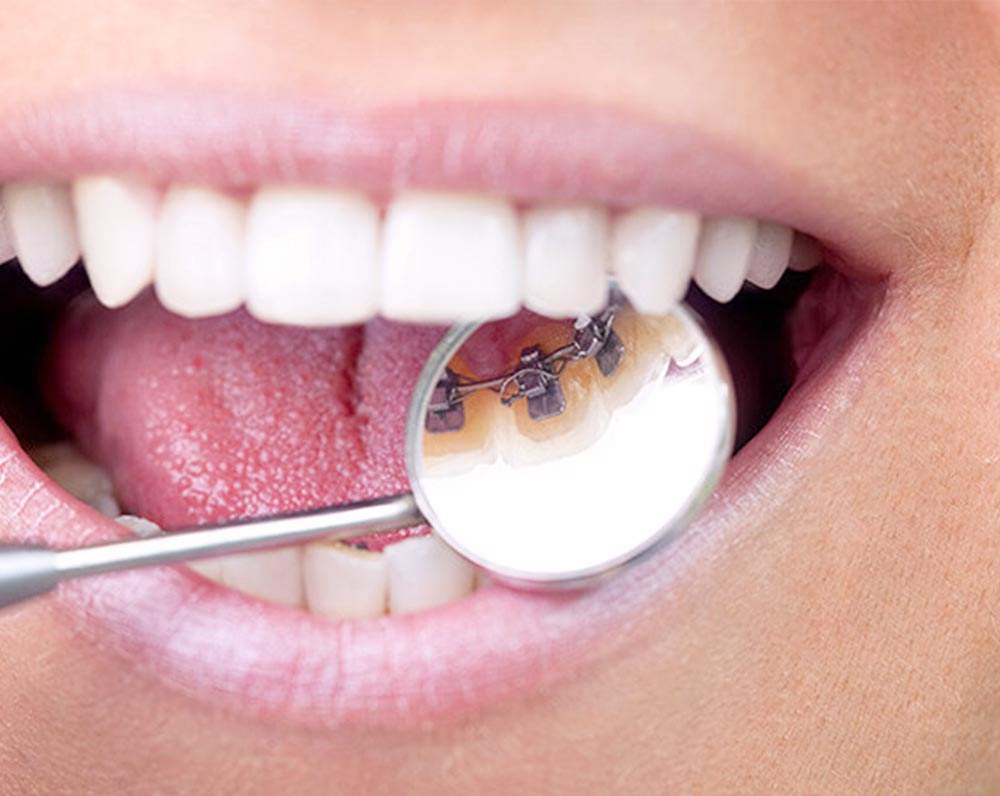
The image shows lingual braces attached to the inner surfaces of the lower teeth. The braces are positioned behind the teeth facing the tongue rather than the front surfaces. The photograph focuses on the placement of brackets and wires along the inner side of the lower dental arch. The visual clearly shows the structure and positioning of lingual braces inside the mouth.

Lingual Braces

So what if you could hide your braces behind the teeth?

Keep Calm, Smile On.

The image shows a person’s teeth fitted with clear aligners. The aligners appear as transparent trays placed over the upper or lower teeth. The photograph highlights how the aligners fit closely to the dental structure. The focus is on the appliance covering the teeth while maintaining a natural appearance. The image clearly displays how clear aligners look when worn inside the mouth.
The image shows another detailed view of teeth wearing clear braces. The orthodontic brackets appear tooth-coloured and connected with a thin wire. The focus is on showing how the braces fit along the teeth and align across the dental arch. The visual highlights the discreet appearance of the orthodontic appliance when placed on the front of teeth.
The image shows teeth fitted with clear braces that use transparent or tooth-coloured brackets. The braces are attached to the front surfaces of the teeth and connected by a thin wire. The visual highlights how the brackets blend with the natural tooth colour. The image focuses closely on the dental structure to clearly show the orthodontic appliance and its positioning.
The image shows teeth wearing clear aligners fitted closely over the dental surfaces. The transparent trays follow the shape of the teeth and appear smooth and nearly invisible. The photograph focuses on the aligners positioned inside the mouth. The image clearly displays how removable aligner trays look when placed on teeth during orthodontic treatment.
The image shows teeth fitted with clear braces positioned across the dental arch. The brackets appear transparent or tooth-coloured and are connected by an orthodontic wire. The visual highlights how the appliance sits on the tooth surfaces. The image focuses on the braces and their alignment across the teeth during orthodontic treatment.
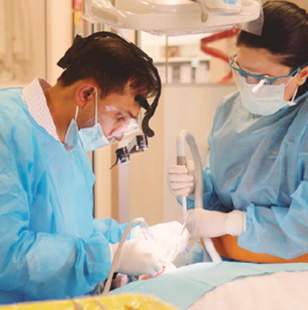
The image shows the interior or exterior of a dental or orthodontic practice environment. It likely includes clinical furniture, treatment chairs, or reception space. The setting appears clean and organised, showing equipment or areas used for patient care. The image focuses on the overall practice layout and professional clinical atmosphere. The visual gives a general view of a dental treatment setting.
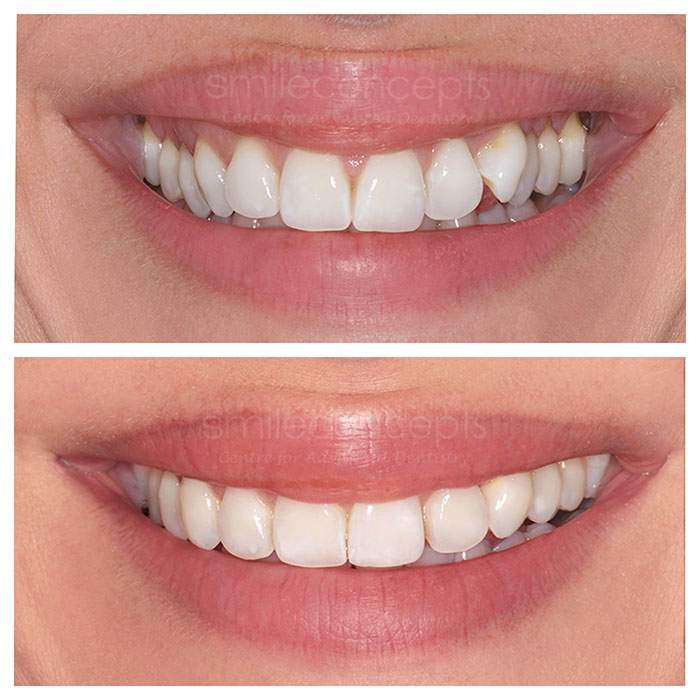
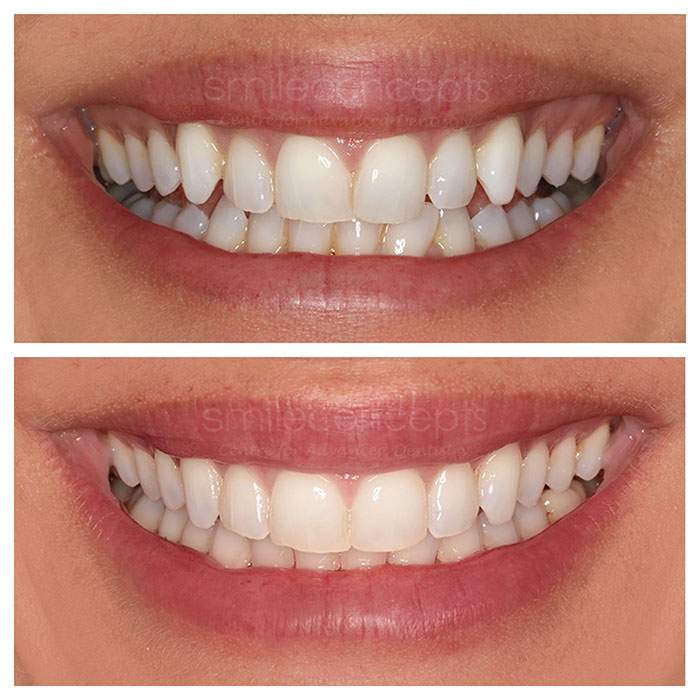
The image shows a close-up dental photograph or orthodontic visual focusing on teeth alignment or orthodontic treatment progress. The visual highlights the dental structure, tooth positioning, and possible orthodontic appliances. The photograph emphasises dental details and arrangement of teeth while showing the orthodontic condition or treatment stage.
The image shows a graphic or photograph representing clear braces attached to teeth. The braces appear tooth-coloured or transparent and are positioned on the front surfaces of the teeth. The visual focuses on how clear braces blend with natural tooth colour. The composition highlights the placement and appearance of orthodontic brackets designed to be less noticeable.

Free City Parking Available | Interest Free Payment Plans