The image shows a close-up photograph of teeth fitted with clear ceramic braces designed to blend with the natural tooth colour. The ceramic brackets are connected by an orthodontic wire that runs across the dental arch. The visual highlights how ceramic braces appear on the front surfaces of the teeth. The photograph emphasises the discreet appearance and placement of these orthodontic appliances.

The Snacking Dilemma: Why Your Habits Are Key to Clear Aligner Success

The Snacking Dilemma: A Daily Issue

We are all aware about the value of a healthy diet. However, when you’re going through orthodontic treatment via clear aligners, your eating habits need to change significantly. The convenience of using these aligners comes with a set of rules. 

Ignoring these simple rules can boost the risk of gum problems and cavities. We need to understand what we can and cannot do to ensure we remain on the correct path with the treatment and maintain that healthy smile.

Table of Contents

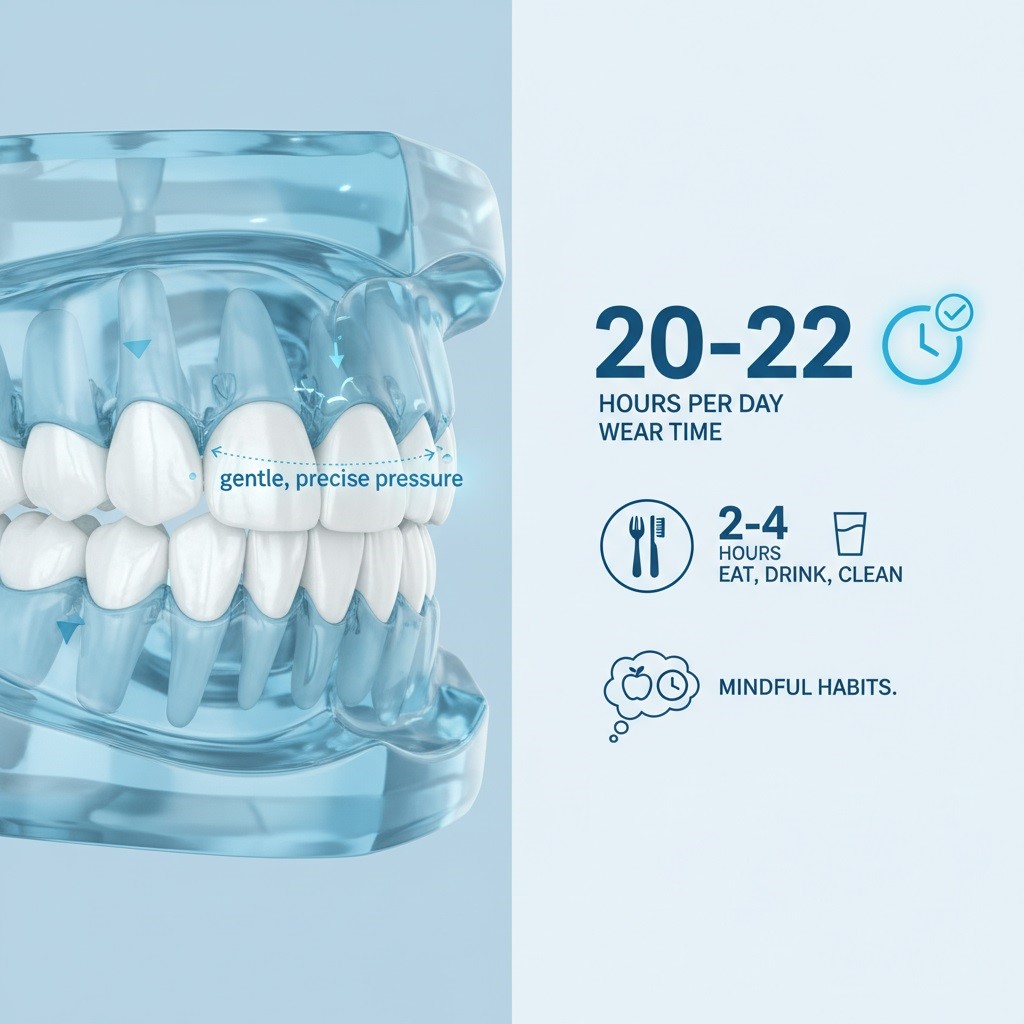
Clear aligners are teeth-straightening tools specifically made to slowly shift teeth through gentle but accurate pressure. To be effective, they must be worn for 20 to 22 hours per day. This leaves a brief window of time to eat, drink, and clean, between two to four hours total. This requires you to be more conscious of what and how long you eat. Remember, each minute they are out of your mouth is a minute your treatment is on hold.
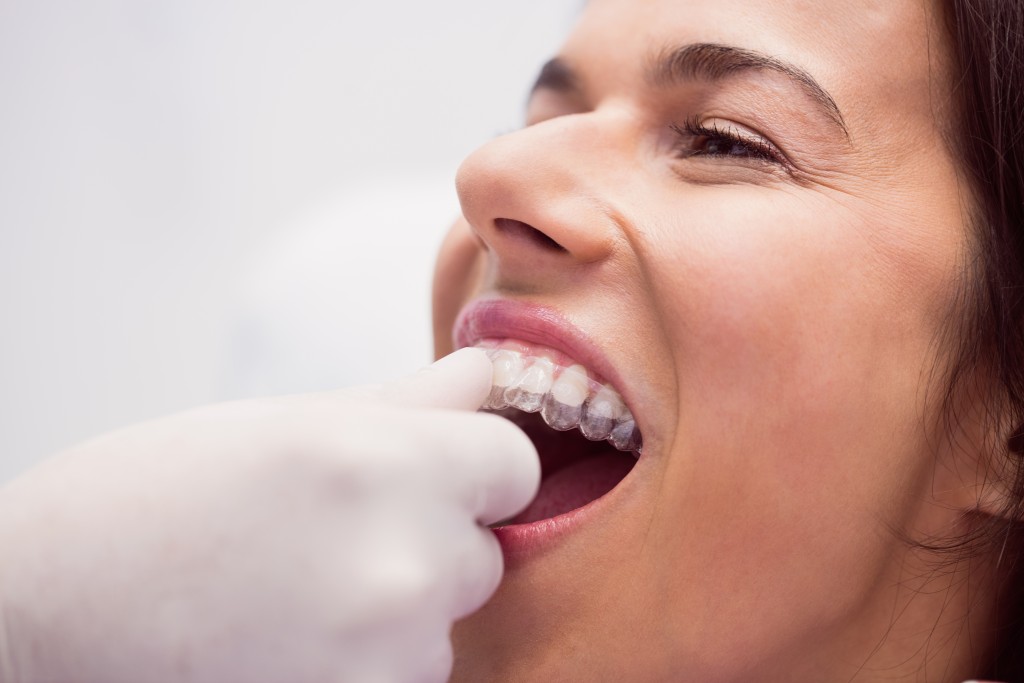
This close-up of a clear aligner demonstrates modern orthodontics’ ability to straighten teeth discreetly and comfortably. The transparent design is nearly invisible, providing an alternative to metal braces for patients who value aesthetics. The image communicates precision, advanced dental technology, and personalised care. It highlights ease of use, removable convenience, and minimal lifestyle disruption while emphasising patient satisfaction and confidence. With this treatment, patients can achieve a straighter, healthier smile while maintaining comfort and appearance throughout their orthodontic journey.

Eating and Drinking: What You Need to Know

Can you eat with your aligners? The short answer is: No. Clear aligners are not built to withstand the force of chewing. Eating with them can severely damage them, leading to cracks or warping. If an aligner is damaged, it will stop applying the correct pressure, stalling your tooth movement and potentially costing you a new set of aligners. This table outlines the key rules for eating and drinking with clear aligners.

ActionWhy It MattersConsequence of Not Following
Remove AlignersAligners are not designed for chewing. Damage to trays, stalled tooth movement, and expensive replacements.
Avoid Hot DrinksHeat can warp the aligner material.The trays won't fit, and treatment will stop being effective.
Brush Before Re-insertingFood debris and bacteria get trapped.Seals in plaque, leading to cavities, staining, and bad breath.
Only Drink WaterSugary/acidic drinks cause staining and tooth decay.Trapped liquid exposes teeth to sugars and acids for hours.
Minimise SnackingReduces the number of times you remove/re-insert aligners.Adds time to treatment and increases the risk of leaving aligners out too long.

The Aligner Advantage

For those who opt for Invisalign or other clear aligners, the advantages of this treatment are especially appealing. Having the option to remove your aligners for eating and brushing is unbeatable, but it does take self-discipline. If you stick to your regimen, however, you can fully appreciate the advantages of clear aligners, such as their virtual invisibility, while remaining on track with your treatment.
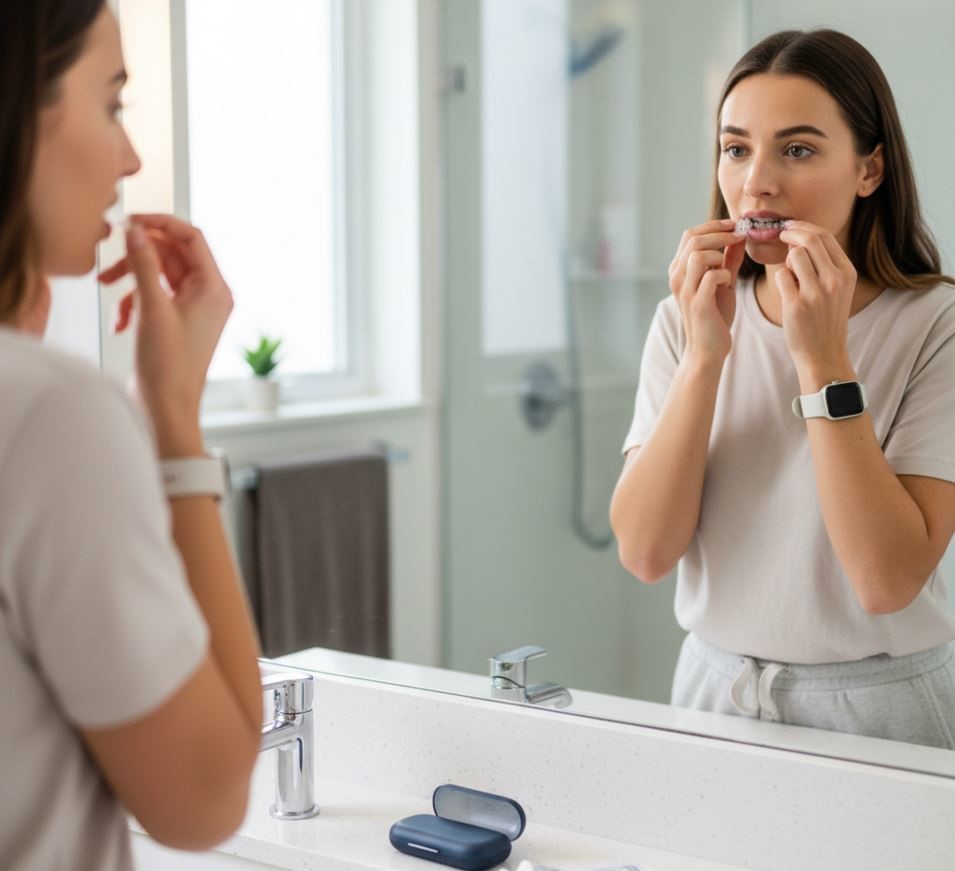
The image features Invisalign clear aligners, highlighting their virtually invisible design and comfortable fit. These removable trays allow discreet teeth straightening without traditional braces. Ideal for professionals, teens, and adults, Invisalign offers precise, customised treatment plans. The image communicates innovation, convenience, and a focus on patient confidence. It emphasises that achieving a perfectly aligned smile can be effective yet subtle, combining advanced technology with aesthetic appeal. It represents modern orthodontic care for patients who value both results and appearance.

Professional Views: What the Experts Have to Say

Treatment success depends on how well you comply with your orthodontist’s rules, particularly in terms of wear duration and care.

“While I can provide a thorough treatment plan for my patient, it’s only beneficial if the patient follows the steps precisely; therefore, compliance is a pivotal part of a treatment plan.”  Says Dr. Diane Milberg from Orthodontic Practice .

Your Route to a Perfect Smile

Navigating mealtimes with aligners is simple if you follow the rules. This small, disciplined effort offers a huge difference in the outcome of your treatment, helping you achieve the perfect smile you deserve.

Are you prepared to adopt the quickest path to flawless teeth? Our team, headed by Sydney’s best orthodontist, can help. We’ll demonstrate how to incorporate these habits into your daily routine with ease and offer you all the assistance you require to keep your smile confident and healthy long after your treatment is over.

To know more on how braces can help you improve your smile, read this article.
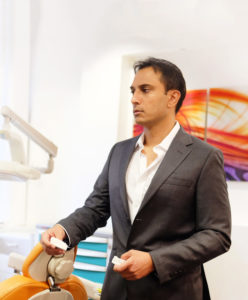
This professional full-length portrait of Dr. Manish Shah communicates authority, expertise, and approachability in orthodontics. The image reflects a trusted, compassionate practitioner who prioritises personalised care and long-term results for every patient. It conveys confidence, professionalism, and dedication to modern orthodontic solutions, including clear aligners and braces. By showcasing Dr. Manish’s approachable demeanor, it reassures patients that they will receive expert guidance in a supportive environment. The visual reinforces the practice’s commitment to patient satisfaction, comfort, and achieving beautifully aligned, healthy smiles.
Principle Dentist

Dr. Manish Shah

BDS, MBBS, MMED (Sleep Medicine)

  • Masters in Sleep Medicine
  • General Medical Practitioner
  • General, Implant and Cosmetic Dentist
  • Certified in TMJ & Craniofacial Pain Management
Need more help?
We are by your side.
Please send us a message.
Our friendly staff are ready to assist you.

What others are looking at

The image shows a visual representation related to the cost of orthodontic braces. It may include a person, dental imagery, or symbolic financial elements connected to orthodontic treatment. The photograph focuses on illustrating the concept of treatment cost or payment considerations. The composition highlights elements associated with dental treatment and financial planning related to orthodontic procedures.

Ceramic Braces

Are ceramic braces invisible? Are they right for me?

The image shows individuals sitting together with coffee while discussing or reviewing documents, possibly related to orthodontic treatment planning or financial arrangements. The photograph focuses on people interacting in a casual environment with beverages placed on a table. The visual highlights discussion, planning, or consultation activity while seated in a relaxed setting.

Braces Cost

What's the cost? How you treatment affects the cost.

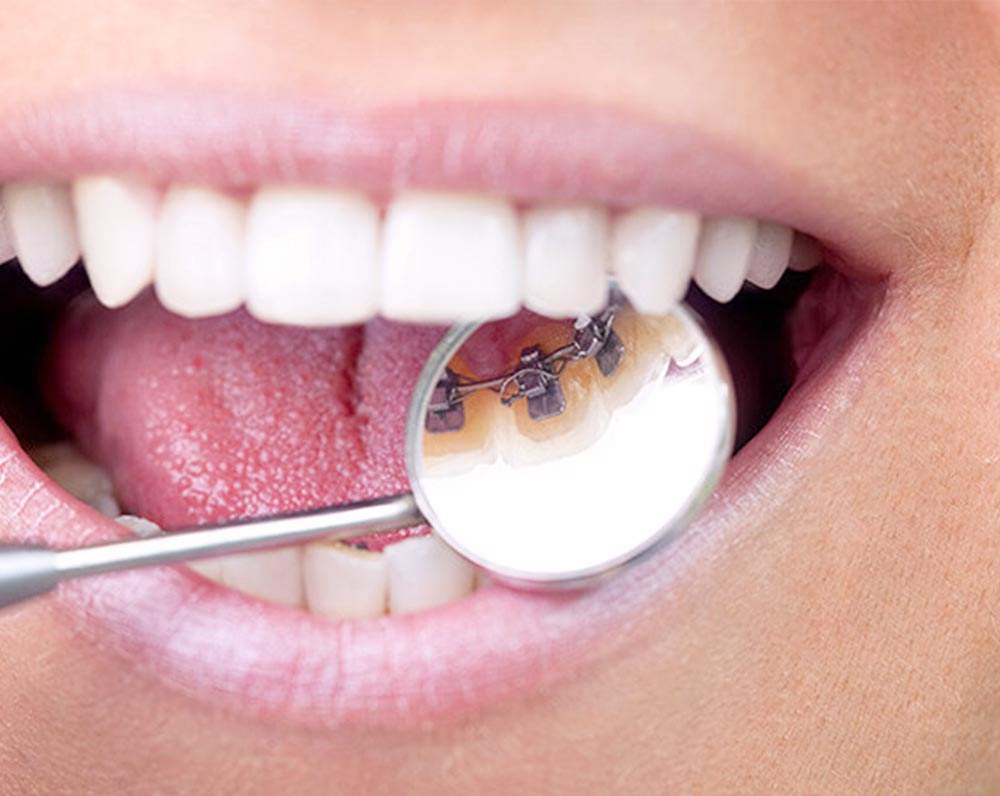
The image shows lingual braces attached to the inner surfaces of the lower teeth. The braces are positioned behind the teeth facing the tongue rather than the front surfaces. The photograph focuses on the placement of brackets and wires along the inner side of the lower dental arch. The visual clearly shows the structure and positioning of lingual braces inside the mouth.

Lingual Braces

So what if you could hide your braces behind the teeth?

Keep Calm, Smile On.

The image shows a person’s teeth fitted with clear aligners. The aligners appear as transparent trays placed over the upper or lower teeth. The photograph highlights how the aligners fit closely to the dental structure. The focus is on the appliance covering the teeth while maintaining a natural appearance. The image clearly displays how clear aligners look when worn inside the mouth.
The image shows another detailed view of teeth wearing clear braces. The orthodontic brackets appear tooth-coloured and connected with a thin wire. The focus is on showing how the braces fit along the teeth and align across the dental arch. The visual highlights the discreet appearance of the orthodontic appliance when placed on the front of teeth.
The image shows teeth fitted with clear braces that use transparent or tooth-coloured brackets. The braces are attached to the front surfaces of the teeth and connected by a thin wire. The visual highlights how the brackets blend with the natural tooth colour. The image focuses closely on the dental structure to clearly show the orthodontic appliance and its positioning.
The image shows teeth wearing clear aligners fitted closely over the dental surfaces. The transparent trays follow the shape of the teeth and appear smooth and nearly invisible. The photograph focuses on the aligners positioned inside the mouth. The image clearly displays how removable aligner trays look when placed on teeth during orthodontic treatment.
The image shows teeth fitted with clear braces positioned across the dental arch. The brackets appear transparent or tooth-coloured and are connected by an orthodontic wire. The visual highlights how the appliance sits on the tooth surfaces. The image focuses on the braces and their alignment across the teeth during orthodontic treatment.
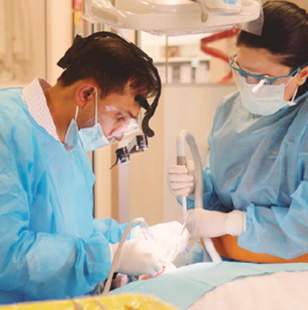
The image shows the interior or exterior of a dental or orthodontic practice environment. It likely includes clinical furniture, treatment chairs, or reception space. The setting appears clean and organised, showing equipment or areas used for patient care. The image focuses on the overall practice layout and professional clinical atmosphere. The visual gives a general view of a dental treatment setting.
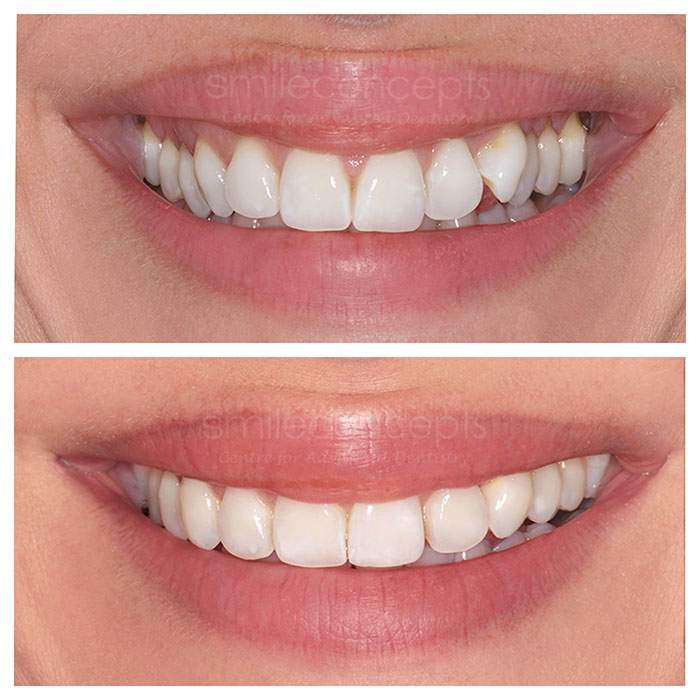
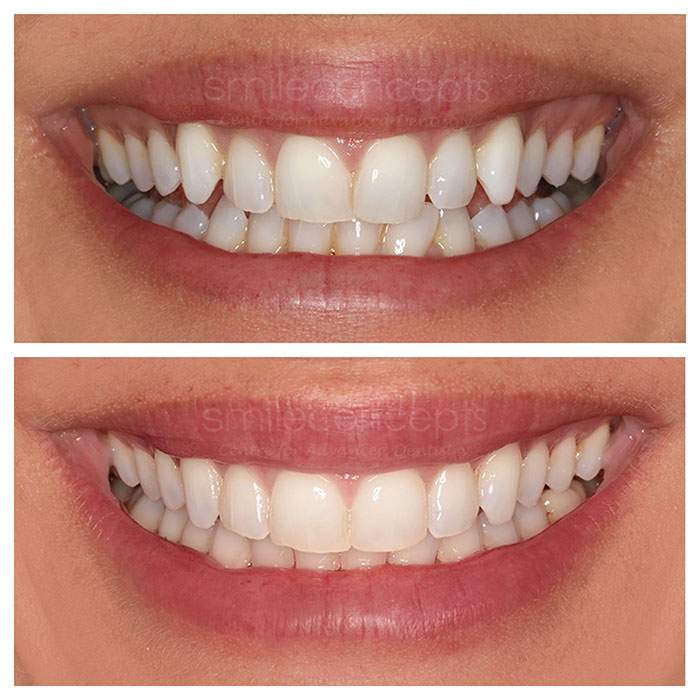
The image shows a close-up dental photograph or orthodontic visual focusing on teeth alignment or orthodontic treatment progress. The visual highlights the dental structure, tooth positioning, and possible orthodontic appliances. The photograph emphasises dental details and arrangement of teeth while showing the orthodontic condition or treatment stage.
The image shows a graphic or photograph representing clear braces attached to teeth. The braces appear tooth-coloured or transparent and are positioned on the front surfaces of the teeth. The visual focuses on how clear braces blend with natural tooth colour. The composition highlights the placement and appearance of orthodontic brackets designed to be less noticeable.

Free City Parking Available | Interest Free Payment Plans