How Dentists Put a Permanent Retainer on the Teeth?

Permanent retainers offer a creative solution for maintaining a straight smile post-braces. But have you ever wondered how dentists secure these retainers behind the teeth? Let’s delve into the process and discover how orthodontists ensure a lasting smile with braces behind the teeth.

Understanding Permanent Retainers

After orthodontic treatment with traditional braces or aligners; the teeth tend to return to their original positions without proper retention. Permanent retainers, also known as fixed retainers, are thin wires bonded to the back surfaces of the teeth to prevent this regression. The permanent ones are affixed and provide continuous support to align the teeth.

Preparation

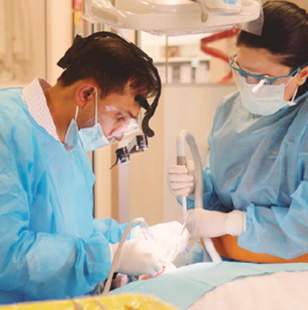
Before placing a permanent retainer, the dentist evaluates the patient’s oral health and assesses the alignment of the teeth. Any necessary adjustments or cleaning procedures are performed to ensure a smooth surface for bonding. X-rays may also be taken to guide the placement process accurately.
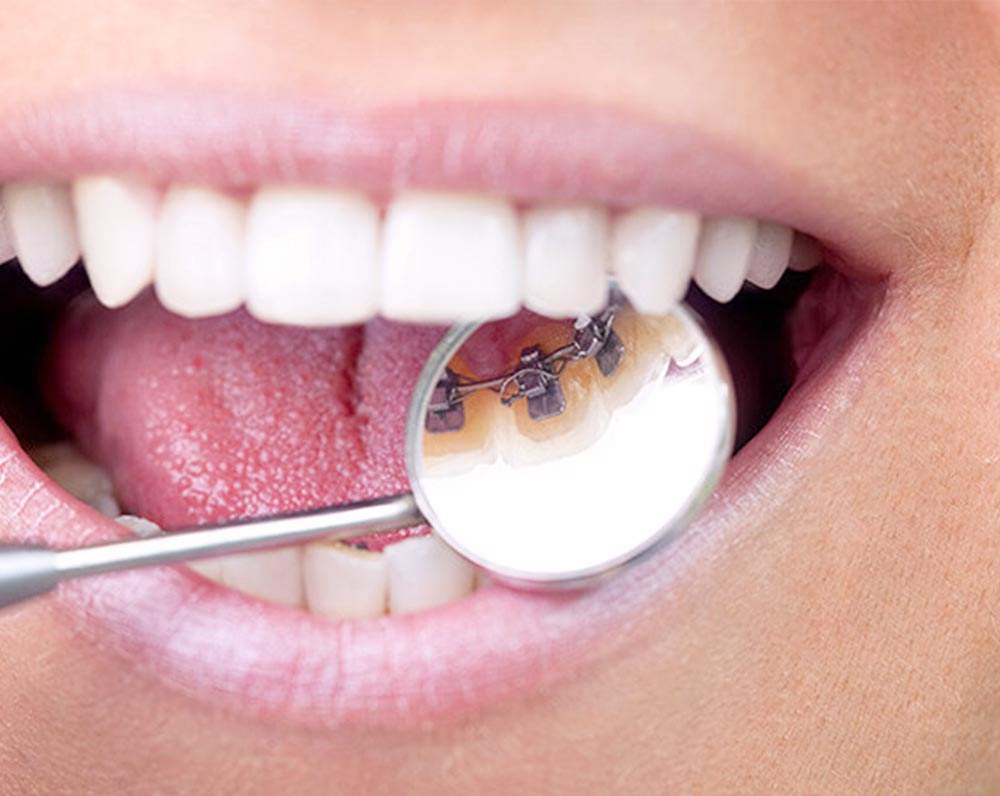
The image shows lingual braces attached to the inner surfaces of the lower teeth. The braces are positioned behind the teeth facing the tongue rather than the front surfaces. The photograph focuses on the placement of brackets and wires along the inner side of the lower dental arch. The visual clearly shows the structure and positioning of lingual braces inside the mouth.

Bonding Process

The bonding process begins with isolating the teeth using dental dams to keep them dry and free from saliva. Next, the dentist carefully etches the back surfaces of the teeth with a mild acid to create a rough texture, which enhances the bond strength. A dental adhesive, typically a composite resin, is then applied to the teeth, and the thin wire of the permanent retainer is positioned along the lingual or palatal side of the teeth. The adhesive is cured using a specialised light, securing the retainer in place.

Customisation

Orthodontists use dental impressions or digital scans to create precise moulds, ensuring a snug and comfortable fit. The wire used for the retainer is usually made of stainless steel or flexible composite material, offering durability and minimal interference with speech or oral hygiene.

Benefits of Braces Behind the Teeth

Braces behind the teeth, also known as lingual braces, offer several advantages over traditional braces. They are virtually invisible from the front, making them ideal for individuals who wish to maintain a natural appearance during orthodontic treatment. Lingual braces also minimise the risk of enamel decalcification and demineralisation since they are placed on the inner surfaces of the teeth.

Permanent retainers play a crucial role in preserving the results of orthodontic treatment, especially for individuals with complex tooth movements or a history of relapse. By understanding how dentists secure these retainers behind the teeth, patients can appreciate the meticulous process involved in achieving a lasting, confident smile.

Need more help?
We are by your side.
Please send us a message.
Our friendly staff are ready to assist you.

What others are looking at

The image shows a visual representation related to the cost of orthodontic braces. It may include a person, dental imagery, or symbolic financial elements connected to orthodontic treatment. The photograph focuses on illustrating the concept of treatment cost or payment considerations. The composition highlights elements associated with dental treatment and financial planning related to orthodontic procedures.

Ceramic Braces

Are ceramic braces invisible? Are they right for me?

The image shows individuals sitting together with coffee while discussing or reviewing documents, possibly related to orthodontic treatment planning or financial arrangements. The photograph focuses on people interacting in a casual environment with beverages placed on a table. The visual highlights discussion, planning, or consultation activity while seated in a relaxed setting.

Braces Cost

What's the cost? How you treatment affects the cost.

The image shows lingual braces attached to the inner surfaces of the lower teeth. The braces are positioned behind the teeth facing the tongue rather than the front surfaces. The photograph focuses on the placement of brackets and wires along the inner side of the lower dental arch. The visual clearly shows the structure and positioning of lingual braces inside the mouth.

Lingual Braces

So what if you could hide your braces behind the teeth?

Keep Calm, Smile On.

The image shows a person’s teeth fitted with clear aligners. The aligners appear as transparent trays placed over the upper or lower teeth. The photograph highlights how the aligners fit closely to the dental structure. The focus is on the appliance covering the teeth while maintaining a natural appearance. The image clearly displays how clear aligners look when worn inside the mouth.
The image shows another detailed view of teeth wearing clear braces. The orthodontic brackets appear tooth-coloured and connected with a thin wire. The focus is on showing how the braces fit along the teeth and align across the dental arch. The visual highlights the discreet appearance of the orthodontic appliance when placed on the front of teeth.
The image shows teeth fitted with clear braces that use transparent or tooth-coloured brackets. The braces are attached to the front surfaces of the teeth and connected by a thin wire. The visual highlights how the brackets blend with the natural tooth colour. The image focuses closely on the dental structure to clearly show the orthodontic appliance and its positioning.
The image shows teeth wearing clear aligners fitted closely over the dental surfaces. The transparent trays follow the shape of the teeth and appear smooth and nearly invisible. The photograph focuses on the aligners positioned inside the mouth. The image clearly displays how removable aligner trays look when placed on teeth during orthodontic treatment.
The image shows teeth fitted with clear braces positioned across the dental arch. The brackets appear transparent or tooth-coloured and are connected by an orthodontic wire. The visual highlights how the appliance sits on the tooth surfaces. The image focuses on the braces and their alignment across the teeth during orthodontic treatment.
The image shows the interior or exterior of a dental or orthodontic practice environment. It likely includes clinical furniture, treatment chairs, or reception space. The setting appears clean and organised, showing equipment or areas used for patient care. The image focuses on the overall practice layout and professional clinical atmosphere. The visual gives a general view of a dental treatment setting.
The image shows a close-up dental photograph or orthodontic visual focusing on teeth alignment or orthodontic treatment progress. The visual highlights the dental structure, tooth positioning, and possible orthodontic appliances. The photograph emphasises dental details and arrangement of teeth while showing the orthodontic condition or treatment stage.
The image shows a graphic or photograph representing clear braces attached to teeth. The braces appear tooth-coloured or transparent and are positioned on the front surfaces of the teeth. The visual focuses on how clear braces blend with natural tooth colour. The composition highlights the placement and appearance of orthodontic brackets designed to be less noticeable.

Free City Parking Available | Interest Free Payment Plans