Invisalign Care Tips: How to Keep Your Aligners are Clean and Effective

Invisalign has become a popular orthodontic treatment option for those seeking a straighter smile without the discomfort & appearance of traditional metal braces. Unlike braces, Invisalign aligners are virtually invisible and can be removed, making them convenient and less noticeable. However, keeping your aligners clean & effective throughout the treatment process is essential to achieving the best results. Below are some helpful tips on how to care for your Invisalign aligners & maintain their effectiveness.

1.Clean Your Aligners Regularly

Like brushing your teeth, cleaning your Invisalign aligners should be part of your daily routine. Bacteria and plaque can build up on your aligners, causing bad breath & potential oral health problems. The best way to clean your aligners is to use a soft toothbrush with mild soap or Invisalign cleaning crystals. Gently brush the inside and outside of your aligners to remove any debris.

Avoid using toothpaste, as many brands contain abrasive ingredients that can scratch your aligners, making them appear cloudy and less clear. Always rinse your aligners thoroughly after cleaning to remove any soap or residue.

2.Rinse Your Aligners Throughout the Day

Whenever you remove your aligners to eat or drink, it’s a good idea to rinse them with lukewarm water before putting them back in your mouth. This helps wash away any saliva or food particles that may have adhered to the aligners. It’s important to avoid using hot water, as high temperatures can warp the plastic and make the aligners less effective.

3.Soak Your Aligners Daily

In addition to regular cleaning, soaking your aligners once a day can keep them fresh and bacteria-free. Use Invisalign cleaning crystals or denture cleaner to soak your aligners for about 15-30 minutes. After soaking, brush and rinse them before wearing them again. This ensures they remain hygienic and clear.

4.Remove Your Aligners Before Eating or Drinking

Unlike braces, Invisalign aligners are removable; which means you can take them out when eating or drinking. This prevents food and drinks from getting trapped in the aligners and causing stains or bacterial buildup. Always make sure to remove your aligners before consuming anything except water. After eating; brush your teeth before reinserting the aligners to avoid food particles from becoming stuck between your teeth and the aligners.

The image shows a clear orthodontic aligner or retainer held up to display its transparent, custom‑fitted design. This type of appliance is used in modern orthodontic treatments like Invisalign® to gradually guide teeth into proper alignment or to help maintain results after active treatment ends. The clear, smooth tray emphasises discretion and comfort, offering a nearly invisible alternative to metal braces. This visual communicates advanced dental technology, patient‑centric care, and the practicality of removable aligners for everyday life, encouraging confidence and ease throughout the smile‑straightening journey.

5.Store Your Aligners in a Protective Case

When you’re not wearing your aligners; always store them in a protective case. Leaving them out in the open can expose them to bacteria, dust, and dirt. Additionally, aligners can easily be misplaced or damaged if they’re not stored properly. Carrying your case with you wherever you go ensures that you have a safe place to store your aligners when you’re not wearing them.

6.Avoid Staining Your Aligners

When you’re not wearing your aligners; always store them in a protective case. Leaving them out in the open can expose them to bacteria, dust, and dirt. Additionally, aligners can easily be misplaced or damaged if they’re not stored properly. Carrying your case with you wherever you go ensures that you have a safe place to store your aligners when you’re not wearing them.

7.Visit Your Invisalign Orthodontist Regularly

To ensure your Invisalign treatment is progressing as expected, it’s essential to visit your Invisalign orthodontist for regular check-ups. Regular check-ups enable your orthodontist to evaluate your treatment’s effectiveness and modify your care plan as needed. Whether you’re considering Invisalign or braces, having regular consultations ensures that your oral health remains a priority.

8.Follow the 22-Hour Rule

For Invisalign to be effective, it’s crucial to wear your aligners for at least 22 hours a day. Removing them for long periods can delay your treatment progress and result in extended treatment time. Be diligent about wearing your aligners throughout the day and night, only removing them to eat, drink, brush, and clean.

Caring for your Invisalign aligners properly is key to ensuring a successful orthodontic treatment. By keeping them clean, removing them before meals, and following your orthodontist’s guidance, you’ll be on your way to a straighter, healthier smile. Whether you choose Invisalign or braces, maintaining good oral hygiene and adhering to your treatment plan is vital for achieving the best results. Regular visits to your Invisalign orthodontist will keep you on track and ensure that your aligners continue to work effectively.

Need more help?
We are by your side.
Please send us a message.
Our friendly staff are ready to assist you.

What others are looking at

The image shows a visual representation related to the cost of orthodontic braces. It may include a person, dental imagery, or symbolic financial elements connected to orthodontic treatment. The photograph focuses on illustrating the concept of treatment cost or payment considerations. The composition highlights elements associated with dental treatment and financial planning related to orthodontic procedures.

Ceramic Braces

Are ceramic braces invisible? Are they right for me?

The image shows individuals sitting together with coffee while discussing or reviewing documents, possibly related to orthodontic treatment planning or financial arrangements. The photograph focuses on people interacting in a casual environment with beverages placed on a table. The visual highlights discussion, planning, or consultation activity while seated in a relaxed setting.

Braces Cost

What's the cost? How you treatment affects the cost.

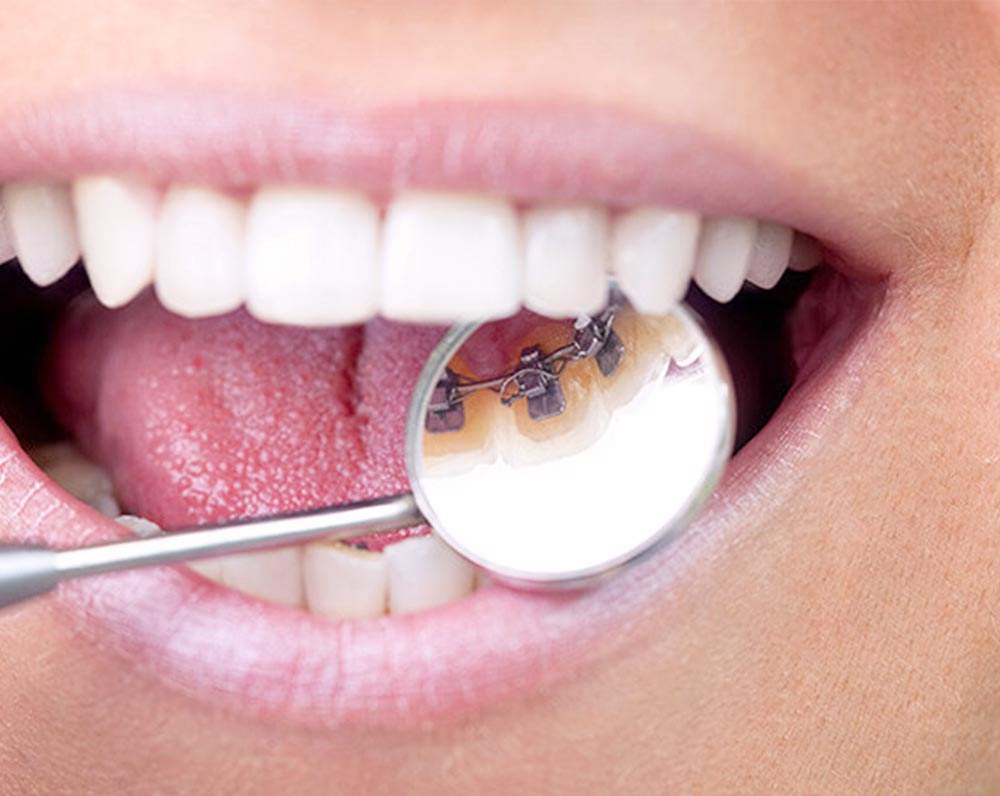
The image shows lingual braces attached to the inner surfaces of the lower teeth. The braces are positioned behind the teeth facing the tongue rather than the front surfaces. The photograph focuses on the placement of brackets and wires along the inner side of the lower dental arch. The visual clearly shows the structure and positioning of lingual braces inside the mouth.

Lingual Braces

So what if you could hide your braces behind the teeth?

Keep Calm, Smile On.

The image shows a person’s teeth fitted with clear aligners. The aligners appear as transparent trays placed over the upper or lower teeth. The photograph highlights how the aligners fit closely to the dental structure. The focus is on the appliance covering the teeth while maintaining a natural appearance. The image clearly displays how clear aligners look when worn inside the mouth.
The image shows another detailed view of teeth wearing clear braces. The orthodontic brackets appear tooth-coloured and connected with a thin wire. The focus is on showing how the braces fit along the teeth and align across the dental arch. The visual highlights the discreet appearance of the orthodontic appliance when placed on the front of teeth.
The image shows teeth fitted with clear braces that use transparent or tooth-coloured brackets. The braces are attached to the front surfaces of the teeth and connected by a thin wire. The visual highlights how the brackets blend with the natural tooth colour. The image focuses closely on the dental structure to clearly show the orthodontic appliance and its positioning.
The image shows teeth wearing clear aligners fitted closely over the dental surfaces. The transparent trays follow the shape of the teeth and appear smooth and nearly invisible. The photograph focuses on the aligners positioned inside the mouth. The image clearly displays how removable aligner trays look when placed on teeth during orthodontic treatment.
The image shows teeth fitted with clear braces positioned across the dental arch. The brackets appear transparent or tooth-coloured and are connected by an orthodontic wire. The visual highlights how the appliance sits on the tooth surfaces. The image focuses on the braces and their alignment across the teeth during orthodontic treatment.
The image shows the interior or exterior of a dental or orthodontic practice environment. It likely includes clinical furniture, treatment chairs, or reception space. The setting appears clean and organised, showing equipment or areas used for patient care. The image focuses on the overall practice layout and professional clinical atmosphere. The visual gives a general view of a dental treatment setting.
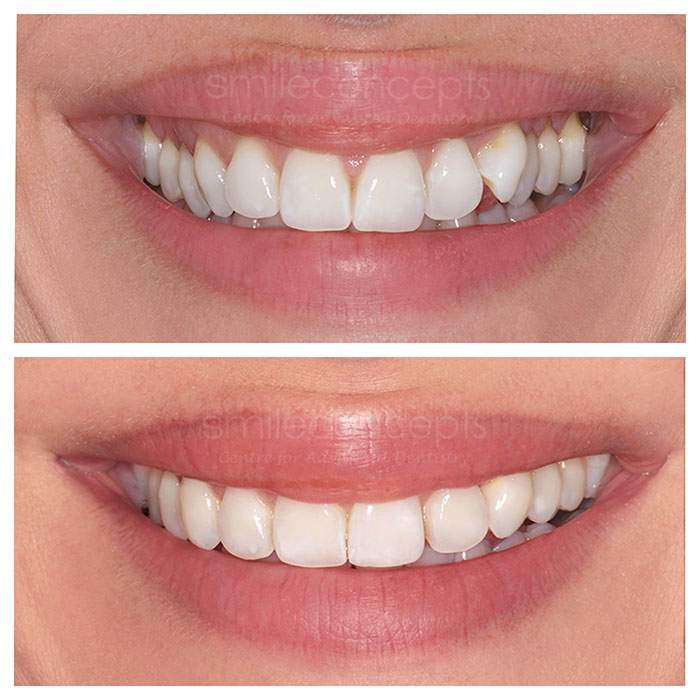
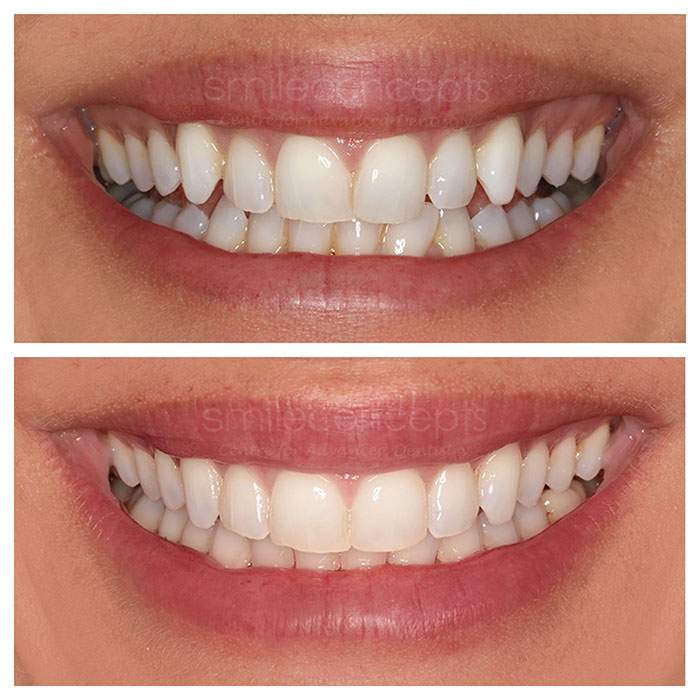
The image shows a close-up dental photograph or orthodontic visual focusing on teeth alignment or orthodontic treatment progress. The visual highlights the dental structure, tooth positioning, and possible orthodontic appliances. The photograph emphasises dental details and arrangement of teeth while showing the orthodontic condition or treatment stage.
The image shows a graphic or photograph representing clear braces attached to teeth. The braces appear tooth-coloured or transparent and are positioned on the front surfaces of the teeth. The visual focuses on how clear braces blend with natural tooth colour. The composition highlights the placement and appearance of orthodontic brackets designed to be less noticeable.

Free City Parking Available | Interest Free Payment Plans