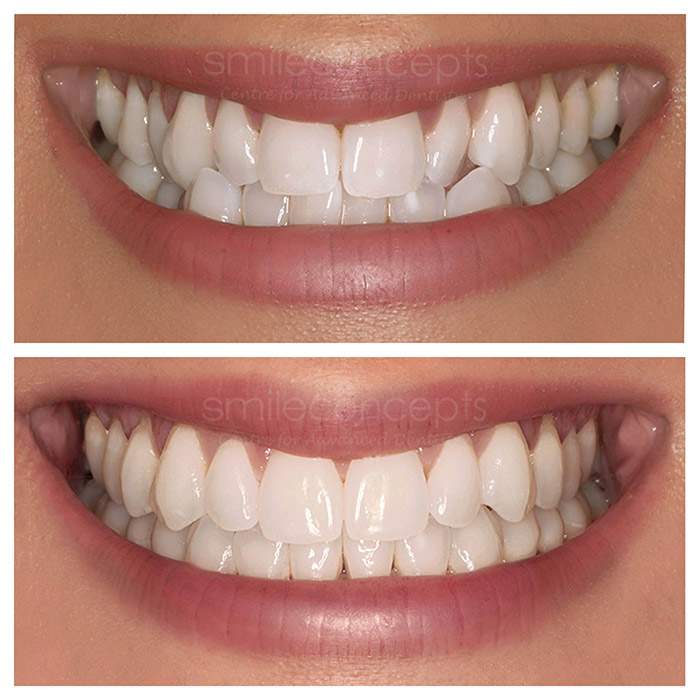
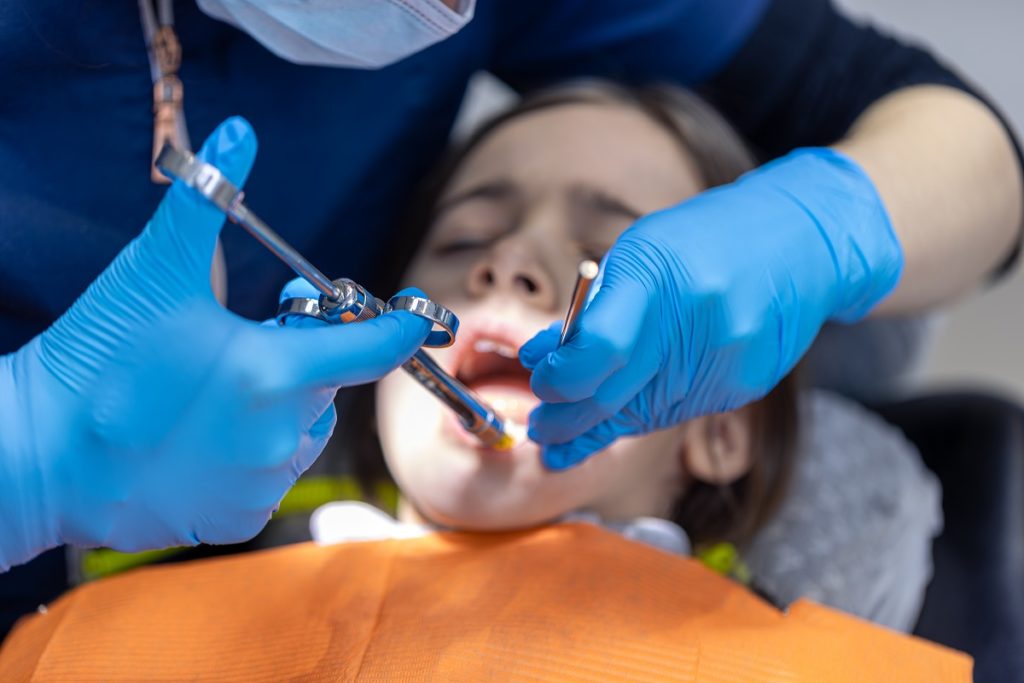
The image shows a close‑up of a dental model or actual teeth being treated with interproximal reduction (IPR) tools. It highlights how a dental professional gently files between teeth to create small spaces, helping with alignment during orthodontic treatment. This visual demonstrates precision, care, and technical expertise in improving tooth positioning for a better‑fitting, more comfortable smile. It reinforces the idea of professional, high‑quality orthodontic care.

IPR in Invisalign: Understanding Tooth Shaving and Interproximal Reduction

Crowded teeth can really mess with your confidence, right? And when you are about to make your final decision to get Invisalign, you may hear that they might lead to “tooth shaving”, and you may reconsider everything. The entire concept of taking away enamel sounds highly frightening and, in case you are like the majority of the population, you most likely want to know whether it is safe.

Table of Contents

IPR in Invisalign: Gentle, Effective, and Worth It

What you should know is that IPR is not as terrifying as it may sound. It is more like tuning up your smile instead of boring your teeth out. Most patients who go through it say the experience is way less intense than they imagined, with one patient even describing it as “almost relaxing”. The procedure removes just tiny amounts of enamel, usually between 0.1 to 0.5 millimeters, to help your teeth shift into place more smoothly.

What makes this procedure worth it? Well, it means you can skip tooth extractions entirely. Instead of pulling healthy teeth and waiting months for gaps to close, Invisalign with IPR creates just enough room for everything to align naturally. According to data from Cleveland Clinic, about 71% of people getting Invisalign end up needing this procedure, making it pretty standard in orthodontic care today.

What Happens During IPR

To carefully polish away the enamel in the part of your teeth which comes in contact, your orthodontist uses a special tool that resembles thin strips of sandpaper or small running discs. The entire affair is quite fast and much less dramatic than one might think.

The following is the process:

  • Digital scanning identifies exactly where enamel needs to be removed
  • Orthodontist uses diamond-coated strips or rotating discs on the contact points
  • Precision gauges measure that only 0.1 to 0.5mm gets removed per surface
  • Tooth surfaces get polished smooth to prevent any rough edges
  • The enamel that is newly exposed is hardened with fluoride treatment

Enamel does not contain any nerves and hence, most individuals do not experience any pain during the process. Others refer to it as the slight pressure such as when a person is pressing a firm toothbrush against the teeth. The entire session usually takes 10 to 30 minutes.

The Reasons Why Your Orthodontist Recommends it

IPR is quite efficient with individuals of mild to moderate crowding. Rather than removing the perfectly healthy teeth, this method leaves only what is necessary to allow your Invisalign aligners to work.

The main benefits include:

  • Keeps all your natural teeth intact without extractions
  • Speeds up tooth movement because there’s actually room to shift
  • Prevents those awkward black triangles between teeth after treatment
  • Helps fix tooth size mismatches between upper and lower teeth
  • Reduces overall treatment time compared to extraction cases

Our experience shows that patients who go the non-extraction route with IPR typically see shorter treatment durations than those who have teeth pulled. For mild cases, you’re looking at about 6 to 9 months, while moderate cases usually wrap up in 12 to 18 months.

IPR vs Tooth Extraction

When you need space for orthodontic work, you’ve got two main options on the table. Let’s break down how they actually compare:

FactorIPRTooth Extraction
Invasiveness Removes tiny amounts of enamel Pulls entire teeth
Recovery TimeNone needed, back to normal immediately Several days to weeks for healing
Treatment Duration 6-18 months typically Often longer due to gap closure
Cost ImpactMinimal, usually included in treatmentMay add complexity and time
Best ForMild to moderate crowdingSevere overcrowding cases

The choice really depends on how crowded your teeth are. For most Invisalign patients with mild issues, IPR handles the job without the hassle of extractions.

Frequent Questions:

No, enamel has no nerves so there’s no pain.

Usually 0.1 to 0.5 millimeters per tooth.

No, studies show no increased decay risk.

Typically 10 to 30 minutes per session.

Yes, mostly patients who go for Invisalign need it.

Tiny spaces appear but close during treatment.

No, safe removal amounts don’t compromise strength.

Most patients need one to three sessions.

Your Path to a Confident Smile

IPR makes Invisalign work better without being invasive or painful. In case an orthodontist makes mention of it, then the orthodontist probably wants to give you the best possible result and not to cause you to lose all of your natural teeth. 

It is a fast process, safe, and it has assisted millions of people in obtaining straight smiles without necessarily undergoing tooth extractions. Ready to get started? Discuss with your orthodontist whether IPR should be included in your treatment.
This professional full-length portrait of Dr. Manish Shah communicates authority, expertise, and approachability in orthodontics. The image reflects a trusted, compassionate practitioner who prioritises personalised care and long-term results for every patient. It conveys confidence, professionalism, and dedication to modern orthodontic solutions, including clear aligners and braces. By showcasing Dr. Manish’s approachable demeanor, it reassures patients that they will receive expert guidance in a supportive environment. The visual reinforces the practice’s commitment to patient satisfaction, comfort, and achieving beautifully aligned, healthy smiles.
Principle Dentist

Dr. Manish Shah

BDS, MBBS, MMED (Sleep Medicine)

  • Masters in Sleep Medicine
  • General Medical Practitioner
  • General, Implant and Cosmetic Dentist
  • Certified in TMJ & Craniofacial Pain Management
Need more help?
We are by your side.
Please send us a message.
Our friendly staff are ready to assist you.

What others are looking at

The image shows a visual representation related to the cost of orthodontic braces. It may include a person, dental imagery, or symbolic financial elements connected to orthodontic treatment. The photograph focuses on illustrating the concept of treatment cost or payment considerations. The composition highlights elements associated with dental treatment and financial planning related to orthodontic procedures.

Ceramic Braces

Are ceramic braces invisible? Are they right for me?

The image shows individuals sitting together with coffee while discussing or reviewing documents, possibly related to orthodontic treatment planning or financial arrangements. The photograph focuses on people interacting in a casual environment with beverages placed on a table. The visual highlights discussion, planning, or consultation activity while seated in a relaxed setting.

Braces Cost

What's the cost? How you treatment affects the cost.

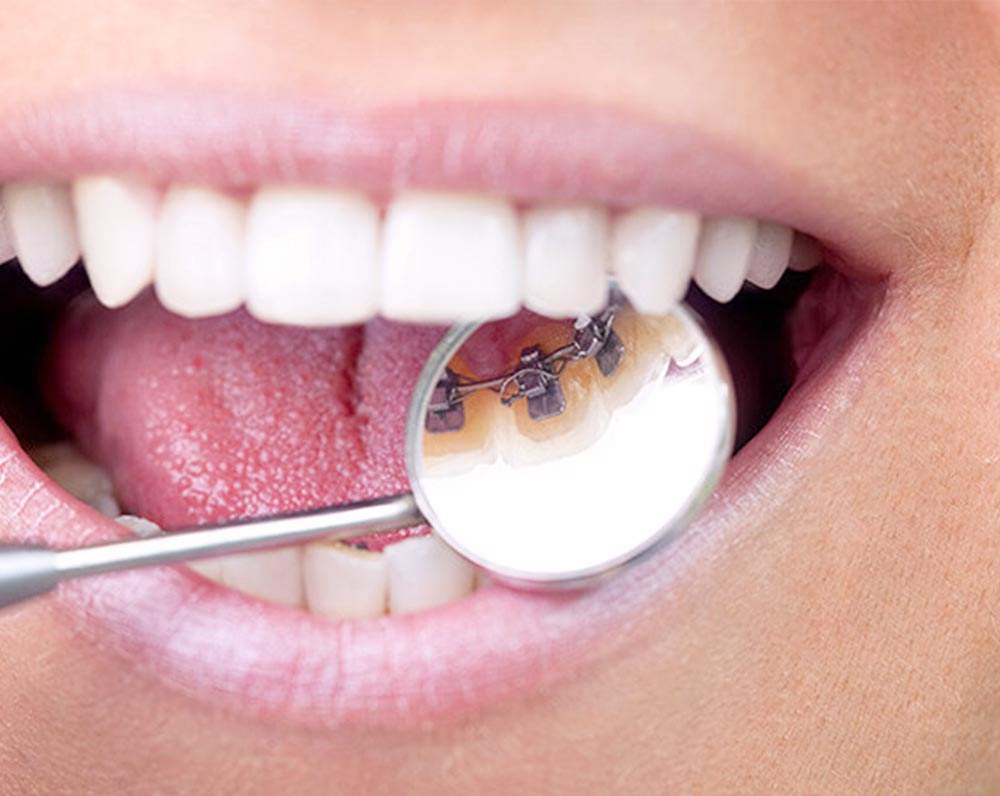
The image shows lingual braces attached to the inner surfaces of the lower teeth. The braces are positioned behind the teeth facing the tongue rather than the front surfaces. The photograph focuses on the placement of brackets and wires along the inner side of the lower dental arch. The visual clearly shows the structure and positioning of lingual braces inside the mouth.

Lingual Braces

So what if you could hide your braces behind the teeth?

Keep Calm, Smile On.

The image shows a person’s teeth fitted with clear aligners. The aligners appear as transparent trays placed over the upper or lower teeth. The photograph highlights how the aligners fit closely to the dental structure. The focus is on the appliance covering the teeth while maintaining a natural appearance. The image clearly displays how clear aligners look when worn inside the mouth.
The image shows another detailed view of teeth wearing clear braces. The orthodontic brackets appear tooth-coloured and connected with a thin wire. The focus is on showing how the braces fit along the teeth and align across the dental arch. The visual highlights the discreet appearance of the orthodontic appliance when placed on the front of teeth.
The image shows teeth fitted with clear braces that use transparent or tooth-coloured brackets. The braces are attached to the front surfaces of the teeth and connected by a thin wire. The visual highlights how the brackets blend with the natural tooth colour. The image focuses closely on the dental structure to clearly show the orthodontic appliance and its positioning.
The image shows teeth wearing clear aligners fitted closely over the dental surfaces. The transparent trays follow the shape of the teeth and appear smooth and nearly invisible. The photograph focuses on the aligners positioned inside the mouth. The image clearly displays how removable aligner trays look when placed on teeth during orthodontic treatment.
The image shows teeth fitted with clear braces positioned across the dental arch. The brackets appear transparent or tooth-coloured and are connected by an orthodontic wire. The visual highlights how the appliance sits on the tooth surfaces. The image focuses on the braces and their alignment across the teeth during orthodontic treatment.
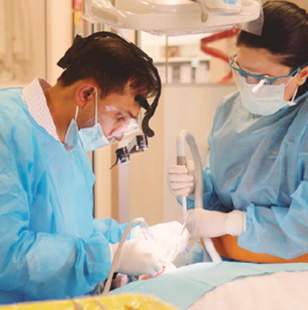
The image shows the interior or exterior of a dental or orthodontic practice environment. It likely includes clinical furniture, treatment chairs, or reception space. The setting appears clean and organised, showing equipment or areas used for patient care. The image focuses on the overall practice layout and professional clinical atmosphere. The visual gives a general view of a dental treatment setting.
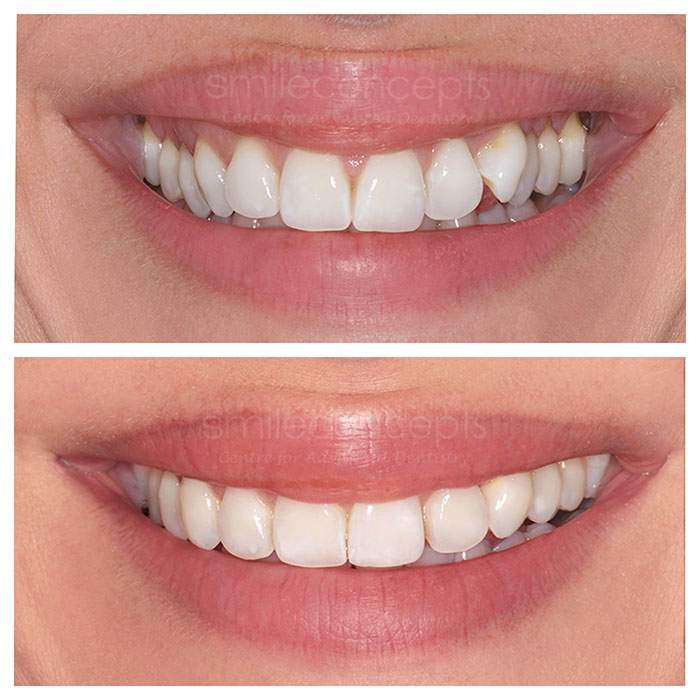
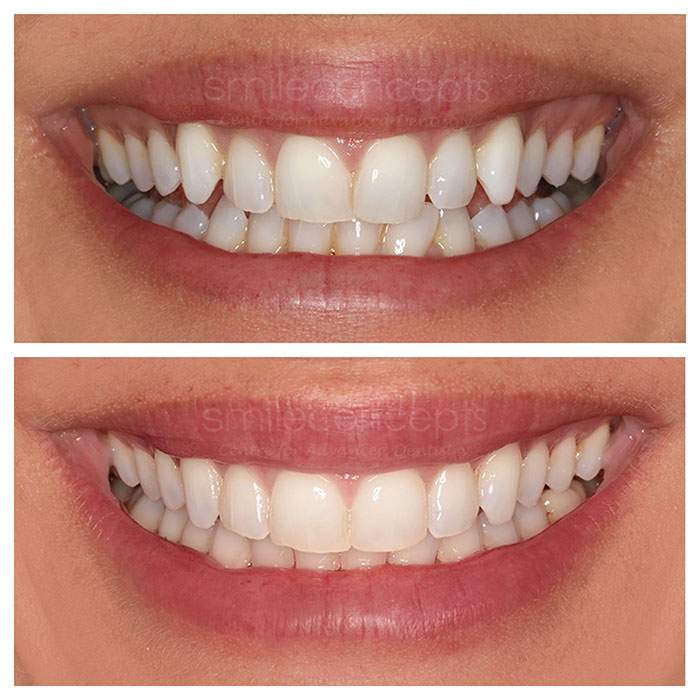
The image shows a close-up dental photograph or orthodontic visual focusing on teeth alignment or orthodontic treatment progress. The visual highlights the dental structure, tooth positioning, and possible orthodontic appliances. The photograph emphasises dental details and arrangement of teeth while showing the orthodontic condition or treatment stage.
The image shows a graphic or photograph representing clear braces attached to teeth. The braces appear tooth-coloured or transparent and are positioned on the front surfaces of the teeth. The visual focuses on how clear braces blend with natural tooth colour. The composition highlights the placement and appearance of orthodontic brackets designed to be less noticeable.

Free City Parking Available | Interest Free Payment Plans