Straightening Smiles: 7 Common Bite Problems & How Braces Can Fix Them

Teeth straightening

Achieving a flawless smile is a goal shared by many. However, for some, achieving straight teeth without braces may seem like a distant dream, especially if they are dealing with common bite problems. Fortunately, modern orthodontic treatments, such as braces, offer effective solutions to these issues, options like teeth straightening for adults. Let’s delve into seven common bite problems and how braces can address them, providing individuals with not just straight teeth but also improved oral health and confidence.

The image highlights Damon braces on a sleek black background, focusing on advanced orthodontic technology. Damon braces offer self-ligating systems for faster, more comfortable treatment. The visual emphasises modernity, effectiveness, and precision in teeth alignment.

Overcrowding

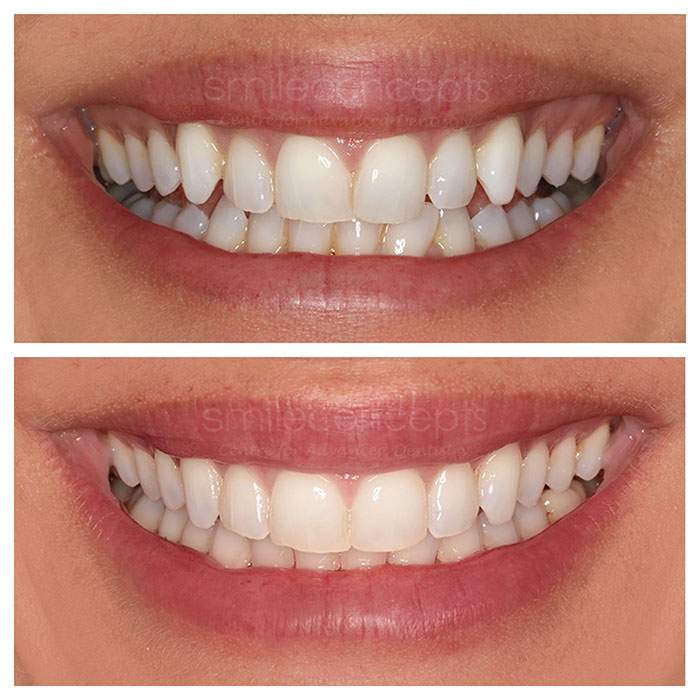
This arises when there is insufficient room in the jaw to accommodate all the teeth adequately. This can lead to crooked teeth, difficulty cleaning, and increased risk of decay and gum disease. Braces work by gradually shifting the teeth into proper alignment, creating space and alleviating overcrowding issues.

Overbite

An overbite happens when the upper front teeth excessively overlap the lower front teeth. Often this can cause jaw pain, difficulty chewing, and even speech problems. Braces can correct overbites by repositioning the teeth and aligning the jaws properly, resulting in a more harmonious bite.

Underbite

Contrary to an overbite, an underbite occurs when the lower front teeth protrude past the upper front teeth. This can affect facial symmetry, cause jaw pain, and make chewing challenging. Braces can gradually shift the teeth and jaw into the correct position, improving the bite and enhancing facial aesthetics.

Crossbite

Crossbite happens when certain upper teeth rest inside the lower teeth when the mouth is closed. This misalignment can cause uneven wear on the teeth, gum recession, and jaw misalignment. Braces can correct crossbites by moving the teeth into their proper positions, ensuring a balanced bite and healthier smile along with teeth straightening for adults.

Open Bite

An open bite is caused by the spaces between the lower and upper front teeth when the mouth is closed. This condition can lead to speech difficulties, difficulty biting into food, and an increased risk of temporomandibular joint (TMJ) disorders. Braces can gradually close the gap and align the teeth properly, improving both function and appearance.

Spacing Issues

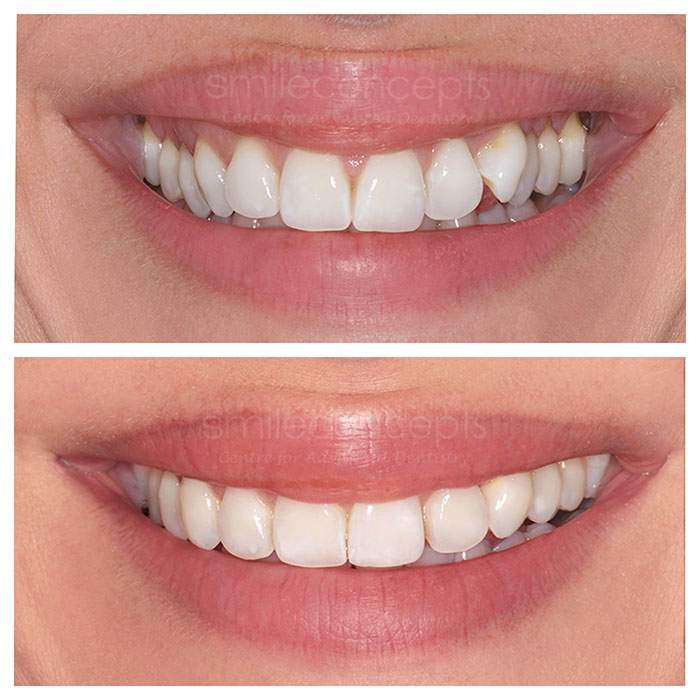
Gaps or spaces between teeth can occur due to various reasons, such as missing teeth or abnormal tooth development. While some may embrace these gaps as unique characteristics, others may seek to close them for a more uniform smile. Braces can effectively close gaps by moving the teeth closer together, resulting in a seamless smile.

Misaligned Midline

The midline is an imaginary line that separates the upper and lower teeth. When the midlines of the upper and lower jaws do not align correctly, it can affect the overall symmetry of the smile. Braces can address misaligned midlines by gradually shifting the teeth into proper alignment, ensuring a balanced and aesthetically pleasing smile.


Hence, common bite problems can impact both oral health and self-confidence. However, braces offer an effective solution for adults seeking teeth straightening options. By addressing issues such as overcrowding, overbites, underbites, and more, braces can transform smiles, providing individuals with straighter teeth, improved bite function, and enhanced confidence. Whether it’s traditional metal braces or more discreet options like clear aligners, achieving teeth straightening for adults is now a tangible reality, thanks to advancements in orthodontic technology and techniques.

Need more help?
We are by your side.
Please send us a message.
Our friendly staff are ready to assist you.

What others are looking at

The image shows a visual representation related to the cost of orthodontic braces. It may include a person, dental imagery, or symbolic financial elements connected to orthodontic treatment. The photograph focuses on illustrating the concept of treatment cost or payment considerations. The composition highlights elements associated with dental treatment and financial planning related to orthodontic procedures.

Ceramic Braces

Are ceramic braces invisible? Are they right for me?

The image shows individuals sitting together with coffee while discussing or reviewing documents, possibly related to orthodontic treatment planning or financial arrangements. The photograph focuses on people interacting in a casual environment with beverages placed on a table. The visual highlights discussion, planning, or consultation activity while seated in a relaxed setting.

Braces Cost

What's the cost? How you treatment affects the cost.

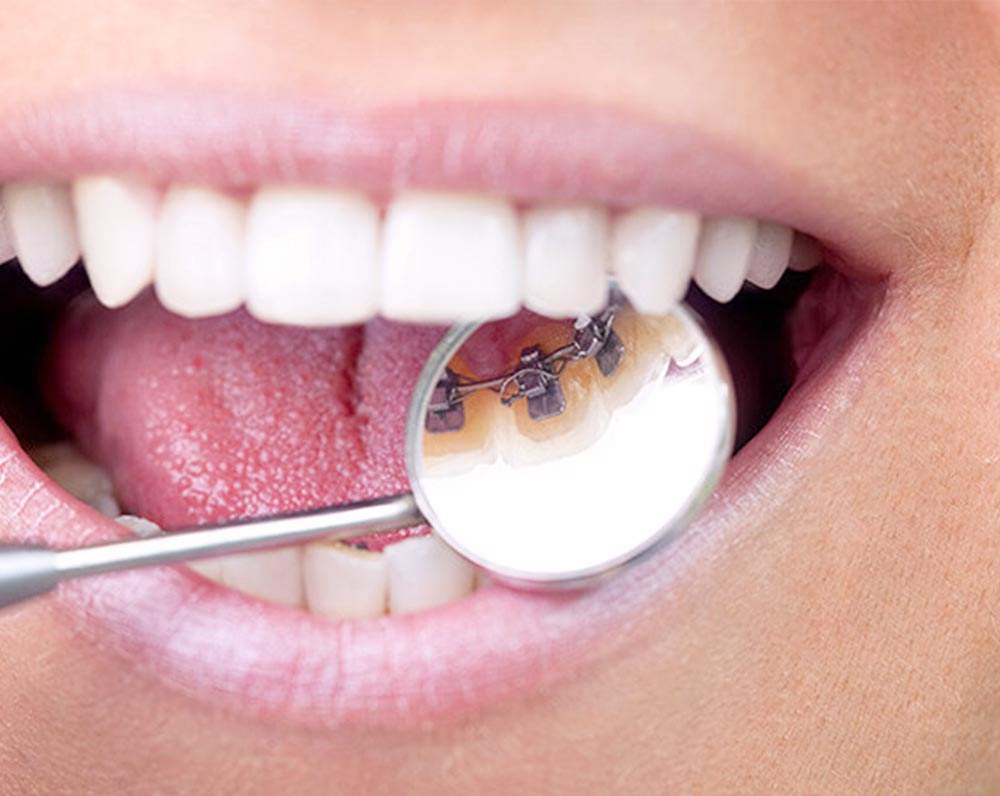
The image shows lingual braces attached to the inner surfaces of the lower teeth. The braces are positioned behind the teeth facing the tongue rather than the front surfaces. The photograph focuses on the placement of brackets and wires along the inner side of the lower dental arch. The visual clearly shows the structure and positioning of lingual braces inside the mouth.

Lingual Braces

So what if you could hide your braces behind the teeth?

Keep Calm, Smile On.

The image shows a person’s teeth fitted with clear aligners. The aligners appear as transparent trays placed over the upper or lower teeth. The photograph highlights how the aligners fit closely to the dental structure. The focus is on the appliance covering the teeth while maintaining a natural appearance. The image clearly displays how clear aligners look when worn inside the mouth.
The image shows another detailed view of teeth wearing clear braces. The orthodontic brackets appear tooth-coloured and connected with a thin wire. The focus is on showing how the braces fit along the teeth and align across the dental arch. The visual highlights the discreet appearance of the orthodontic appliance when placed on the front of teeth.
The image shows teeth fitted with clear braces that use transparent or tooth-coloured brackets. The braces are attached to the front surfaces of the teeth and connected by a thin wire. The visual highlights how the brackets blend with the natural tooth colour. The image focuses closely on the dental structure to clearly show the orthodontic appliance and its positioning.
The image shows teeth wearing clear aligners fitted closely over the dental surfaces. The transparent trays follow the shape of the teeth and appear smooth and nearly invisible. The photograph focuses on the aligners positioned inside the mouth. The image clearly displays how removable aligner trays look when placed on teeth during orthodontic treatment.
The image shows teeth fitted with clear braces positioned across the dental arch. The brackets appear transparent or tooth-coloured and are connected by an orthodontic wire. The visual highlights how the appliance sits on the tooth surfaces. The image focuses on the braces and their alignment across the teeth during orthodontic treatment.
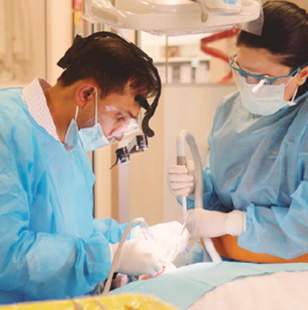
The image shows the interior or exterior of a dental or orthodontic practice environment. It likely includes clinical furniture, treatment chairs, or reception space. The setting appears clean and organised, showing equipment or areas used for patient care. The image focuses on the overall practice layout and professional clinical atmosphere. The visual gives a general view of a dental treatment setting.
The image shows a close-up dental photograph or orthodontic visual focusing on teeth alignment or orthodontic treatment progress. The visual highlights the dental structure, tooth positioning, and possible orthodontic appliances. The photograph emphasises dental details and arrangement of teeth while showing the orthodontic condition or treatment stage.
The image shows a graphic or photograph representing clear braces attached to teeth. The braces appear tooth-coloured or transparent and are positioned on the front surfaces of the teeth. The visual focuses on how clear braces blend with natural tooth colour. The composition highlights the placement and appearance of orthodontic brackets designed to be less noticeable.

Free City Parking Available | Interest Free Payment Plans