The Truth About Ceramic Braces and Tooth Sensitivity

At ClearBraces Orthodontics, we understand that comfort is just as important as achieving a great smile. Many people who choose ceramic braces wonder if they will experience tooth sensitivity. While ceramic brackets offer a more discreet way to straighten teeth, they can sometimes cause mild discomfort. Understanding why this happens and how to manage it can make your orthodontic experience smoother.  

Why Do Ceramic Braces Cause Sensitivity?

Tooth sensitivity with ceramic braces often occurs due to changes in pressure, adjustments, or minor irritation. Here are the main reasons:  

  • Increased Pressure on TeethCeramic brackets work by gently moving your teeth into alignment. When adjustments are made, the added pressure can cause temporary sensitivity.
  • Enamel Exposure – Some patients may already have thin enamel. When braces shift teeth, the exposed areas can react to hot, cold, or sugary foods.  
  • Gum Irritation – The brackets and wires can sometimes rub against the gums, making them feel sore and more sensitive.  
  • Dietary Changes – Crunchy or acidic foods can trigger discomfort, especially in the early stages of treatment.  

Managing Sensitivity with Ceramic Braces?

While sensitivity is common, it doesn’t have to disrupt your daily life. Here’s what you can do to stay comfortable throughout your treatment:  

  • Use a Soft-Bristled Toothbrush – A gentle brush helps protect enamel and reduce irritation around ceramic brackets.
  • Switch to Sensitivity Toothpaste – Special formulas can help strengthen enamel and ease discomfort.
  • Avoid Extremely Hot or Cold Foods – Temperature extremes can trigger sensitivity. Lukewarm foods and drinks are a better option.  
  • Rinse with Salt Water – This natural remedy soothes sore gums and helps with mild irritation.  
  • Eat Softer Foods After Adjustments – Stick to foods like yogurt, mashed potatoes, and pasta when your braces are tightened. 
  • Stay Consistent with Oral Hygiene – Brushing and flossing regularly helps prevent plaque buildup, which can make sensitivity worse. 
The image shows teeth fitted with clear aligner trays used for orthodontic treatment. The transparent trays cover the teeth and follow the dental structure closely. The photograph focuses on the aligner placement and its appearance inside the mouth. The visual highlights the clear material and positioning of the orthodontic appliance over the dental arch.

When to Seek Help?

Mild sensitivity is expected, but if the discomfort becomes severe or lasts longer than a few days after an adjustment, let us know. At ClearBraces Orthodontics, we can assess the fit of your ceramic braces and make any necessary adjustments to improve your comfort.  

With the right care, you can enjoy the benefits of ceramic brackets without unnecessary discomfort. If you have concerns about sensitivity or need advice on managing it, our team is always here to help.

Need more help?
We are by your side.
Please send us a message.
Our friendly staff are ready to assist you.

What others are looking at

The image shows a visual representation related to the cost of orthodontic braces. It may include a person, dental imagery, or symbolic financial elements connected to orthodontic treatment. The photograph focuses on illustrating the concept of treatment cost or payment considerations. The composition highlights elements associated with dental treatment and financial planning related to orthodontic procedures.

Ceramic Braces

Are ceramic braces invisible? Are they right for me?

The image shows individuals sitting together with coffee while discussing or reviewing documents, possibly related to orthodontic treatment planning or financial arrangements. The photograph focuses on people interacting in a casual environment with beverages placed on a table. The visual highlights discussion, planning, or consultation activity while seated in a relaxed setting.

Braces Cost

What's the cost? How you treatment affects the cost.

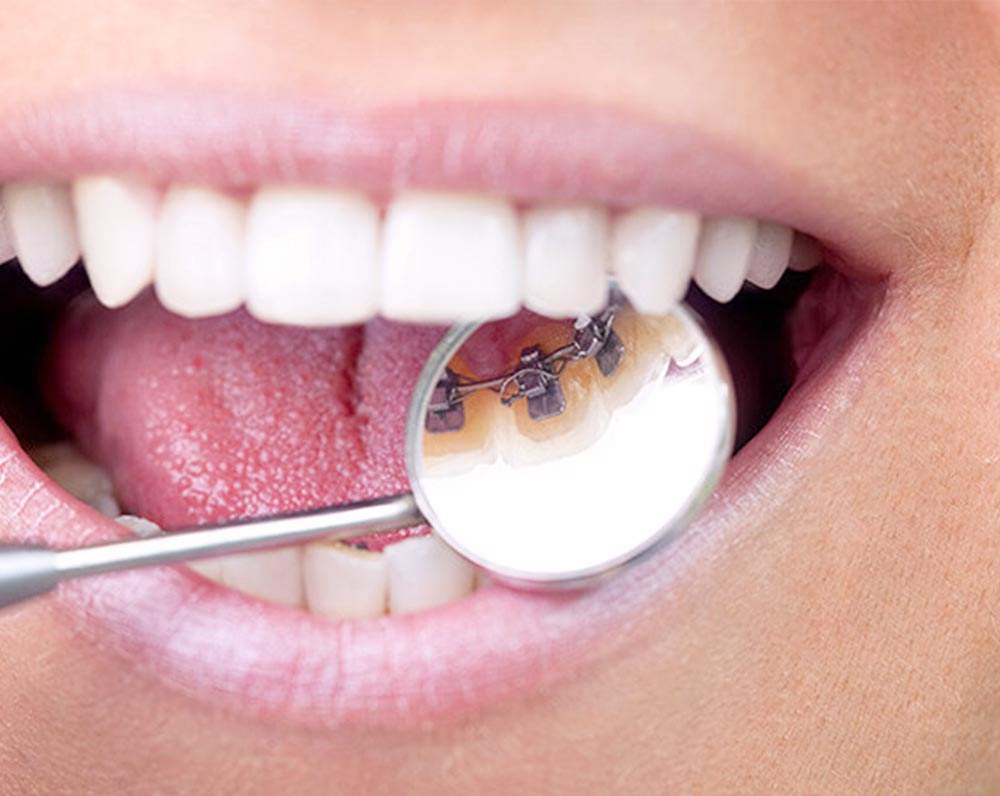
The image shows lingual braces attached to the inner surfaces of the lower teeth. The braces are positioned behind the teeth facing the tongue rather than the front surfaces. The photograph focuses on the placement of brackets and wires along the inner side of the lower dental arch. The visual clearly shows the structure and positioning of lingual braces inside the mouth.

Lingual Braces

So what if you could hide your braces behind the teeth?

Keep Calm, Smile On.

The image shows a person’s teeth fitted with clear aligners. The aligners appear as transparent trays placed over the upper or lower teeth. The photograph highlights how the aligners fit closely to the dental structure. The focus is on the appliance covering the teeth while maintaining a natural appearance. The image clearly displays how clear aligners look when worn inside the mouth.
The image shows another detailed view of teeth wearing clear braces. The orthodontic brackets appear tooth-coloured and connected with a thin wire. The focus is on showing how the braces fit along the teeth and align across the dental arch. The visual highlights the discreet appearance of the orthodontic appliance when placed on the front of teeth.
The image shows teeth fitted with clear braces that use transparent or tooth-coloured brackets. The braces are attached to the front surfaces of the teeth and connected by a thin wire. The visual highlights how the brackets blend with the natural tooth colour. The image focuses closely on the dental structure to clearly show the orthodontic appliance and its positioning.
The image shows teeth wearing clear aligners fitted closely over the dental surfaces. The transparent trays follow the shape of the teeth and appear smooth and nearly invisible. The photograph focuses on the aligners positioned inside the mouth. The image clearly displays how removable aligner trays look when placed on teeth during orthodontic treatment.
The image shows teeth fitted with clear braces positioned across the dental arch. The brackets appear transparent or tooth-coloured and are connected by an orthodontic wire. The visual highlights how the appliance sits on the tooth surfaces. The image focuses on the braces and their alignment across the teeth during orthodontic treatment.
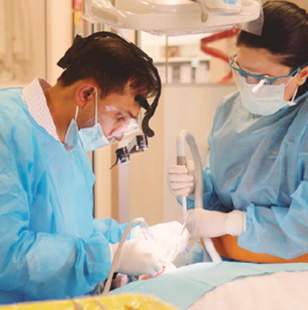
The image shows the interior or exterior of a dental or orthodontic practice environment. It likely includes clinical furniture, treatment chairs, or reception space. The setting appears clean and organised, showing equipment or areas used for patient care. The image focuses on the overall practice layout and professional clinical atmosphere. The visual gives a general view of a dental treatment setting.
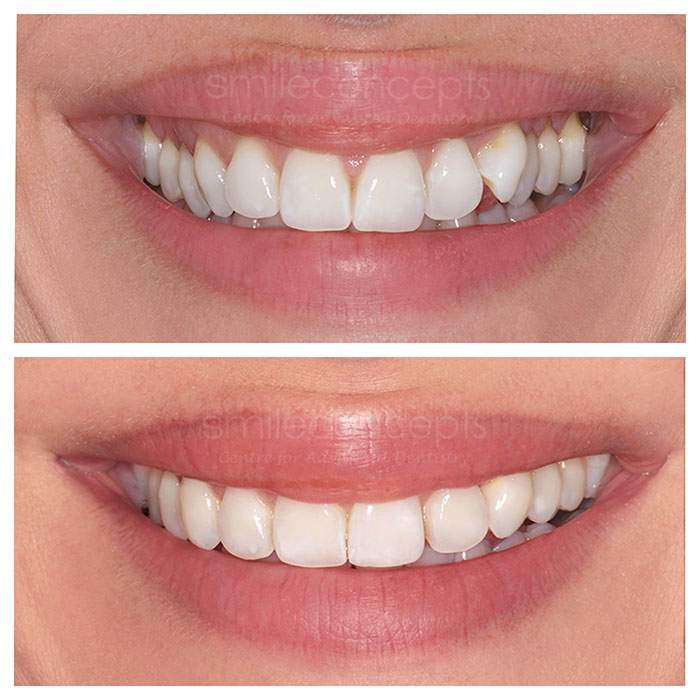
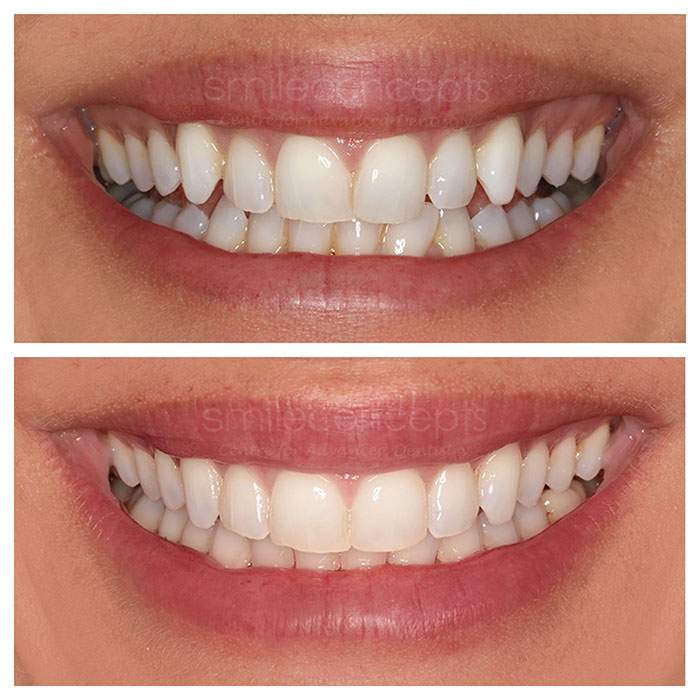
The image shows a close-up dental photograph or orthodontic visual focusing on teeth alignment or orthodontic treatment progress. The visual highlights the dental structure, tooth positioning, and possible orthodontic appliances. The photograph emphasises dental details and arrangement of teeth while showing the orthodontic condition or treatment stage.
The image shows a graphic or photograph representing clear braces attached to teeth. The braces appear tooth-coloured or transparent and are positioned on the front surfaces of the teeth. The visual focuses on how clear braces blend with natural tooth colour. The composition highlights the placement and appearance of orthodontic brackets designed to be less noticeable.

Free City Parking Available | Interest Free Payment Plans