What Makes Invisalign So Clear and Effective? A Look at the Material Behind the Magic

At Clear Braces Orthodontics, we often get asked what Invisalign trays are made of. You know they’re see-through and comfortable, and you’ve heard they work without the metal gear. But what gives them that nearly invisible look and the strength to shift teeth?

If you’re considering straightening your teeth with the help of an Invisalign orthodontist, you’ve probably wondered what’s behind these clever trays. Let’s discuss it using simple English terms.

It’s Not Just Plastic

While it might look like simple plastic, the trays are made from something much more advanced. Invisalign aligners are created from SmartTrack, a high-performance thermoplastic. It’s a special blend of medical-grade polyurethane resins. Sounds fancy, but here’s what matters:

  • It’s flexible but firm enough to guide teeth.
  • It’s completely safe to wear.
  • It’s transparent, so it’s hard to spot even up close.

This material was developed just for this purpose—to make moving teeth easier, more precise, and more comfortable than the old-school metal braces.

Why SmartTrack Works So Well

We’re not talking about something off the shelf. SmartTrack was designed over years of research to do a few very specific things:

  • Fit snugly around each tooth.
  • Apply steady, gentle pressure.
  • Hold its shape through daily wear.
  • Feel smooth in the mouth.
  • Stay nearly invisible

That’s why patients love it—and why we trust it. As an Invisalign orthodontist team here in Sydney, we’ve seen how this material allows for detailed planning and real results, without sacrificing comfort.

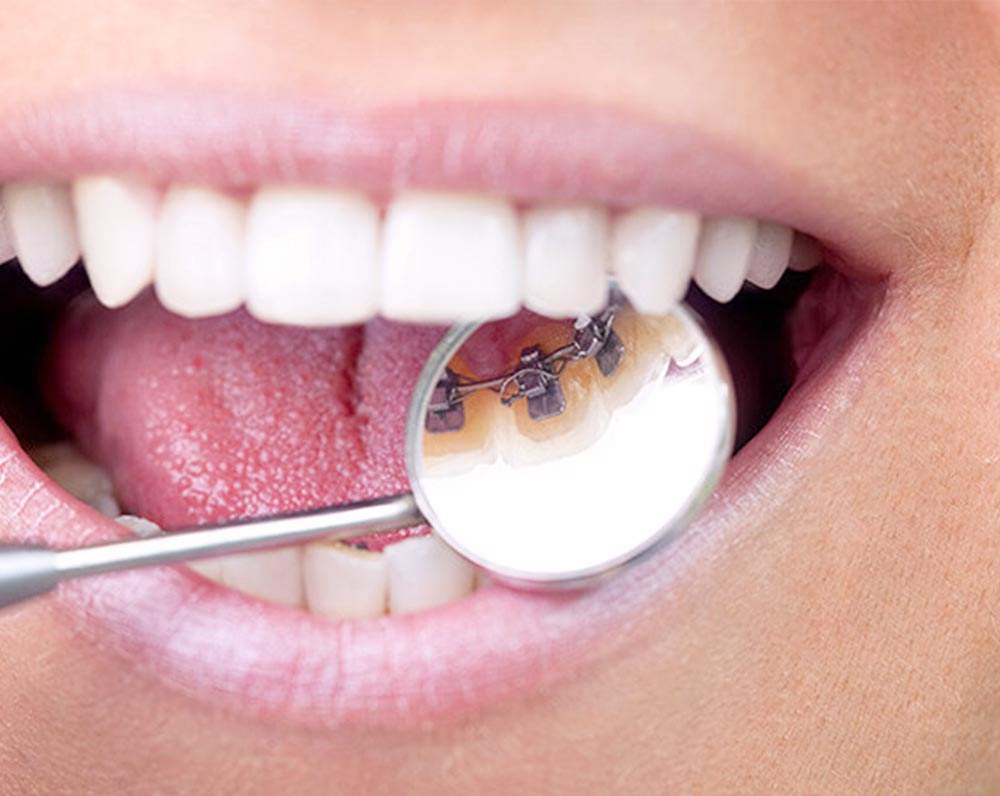
The image shows a close‑up of a smiling patient wearing orthodontic braces, highlighting the appearance and alignment of the brackets and wires on the teeth. It demonstrates how traditional braces work to gradually guide teeth into better positions, improving bite, spacing, and overall smile balance. This visual emphasises professional orthodontic treatment, precision in tooth movement, and the journey toward a healthier, more confident smile. It reflects expert care, ongoing progress, and the real‑life experience of patients actively improving dental alignment through braces.

How Are Invisalign Aligners Made?

The whole process starts with us getting a good look at your teeth. We use:

  • Digital scans
  • Photos
  • X-rays

Once we’ve got everything mapped out, the data heads off to the Invisalign lab. From there, a custom series of trays is produced just for your treatment plan.

Process summary:

StepWhat Happens
Scan & PlanWe scan your teeth and design the plan
Tray FabricationThe lab creates trays using SmartTrack material
Delivery & FittingTrays are sent to us or directly to you
Wear & ReplaceNew trays every 1–2 weeks

You wear each set for a set time, then switch to the next as your teeth move into place. Because they’re made just for you, they fit perfectly, and most people barely notice you’re wearing them.

Is Invisalign Right for You?

Plenty of people ask us if clear aligners are only for small gaps. They offer assistance with several issues:

  • Crooked teeth
  • Crowding
  • Gaps
  • Overbites
  • Underbites
  • Crossbites

But no two smiles are the same. The best way to know is to meet with an Invisalign orthodontist who can assess your bite and explain your options.

We’ve worked with Invisalign clear aligners for years at Clear Braces Orthodontics, and we know how powerful—and discreet—this treatment can be. If you’re thinking about a more confident smile without the metal brackets, we’d be glad to talk through what’s possible.

You’ll get straight answers, a clear plan, and the expert care of a trusted Invisalign orthodontist team right here in Sydney CBD.

Want to see if it’s a fit? Book a consultation with us at Clear Braces Orthodontics today.

Need more help?
We are by your side.
Please send us a message.
Our friendly staff are ready to assist you.

What others are looking at

The image shows a visual representation related to the cost of orthodontic braces. It may include a person, dental imagery, or symbolic financial elements connected to orthodontic treatment. The photograph focuses on illustrating the concept of treatment cost or payment considerations. The composition highlights elements associated with dental treatment and financial planning related to orthodontic procedures.

Ceramic Braces

Are ceramic braces invisible? Are they right for me?

The image shows individuals sitting together with coffee while discussing or reviewing documents, possibly related to orthodontic treatment planning or financial arrangements. The photograph focuses on people interacting in a casual environment with beverages placed on a table. The visual highlights discussion, planning, or consultation activity while seated in a relaxed setting.

Braces Cost

What's the cost? How you treatment affects the cost.

The image shows lingual braces attached to the inner surfaces of the lower teeth. The braces are positioned behind the teeth facing the tongue rather than the front surfaces. The photograph focuses on the placement of brackets and wires along the inner side of the lower dental arch. The visual clearly shows the structure and positioning of lingual braces inside the mouth.

Lingual Braces

So what if you could hide your braces behind the teeth?

Keep Calm, Smile On.

The image shows a person’s teeth fitted with clear aligners. The aligners appear as transparent trays placed over the upper or lower teeth. The photograph highlights how the aligners fit closely to the dental structure. The focus is on the appliance covering the teeth while maintaining a natural appearance. The image clearly displays how clear aligners look when worn inside the mouth.
The image shows another detailed view of teeth wearing clear braces. The orthodontic brackets appear tooth-coloured and connected with a thin wire. The focus is on showing how the braces fit along the teeth and align across the dental arch. The visual highlights the discreet appearance of the orthodontic appliance when placed on the front of teeth.
The image shows teeth fitted with clear braces that use transparent or tooth-coloured brackets. The braces are attached to the front surfaces of the teeth and connected by a thin wire. The visual highlights how the brackets blend with the natural tooth colour. The image focuses closely on the dental structure to clearly show the orthodontic appliance and its positioning.
The image shows teeth wearing clear aligners fitted closely over the dental surfaces. The transparent trays follow the shape of the teeth and appear smooth and nearly invisible. The photograph focuses on the aligners positioned inside the mouth. The image clearly displays how removable aligner trays look when placed on teeth during orthodontic treatment.
The image shows teeth fitted with clear braces positioned across the dental arch. The brackets appear transparent or tooth-coloured and are connected by an orthodontic wire. The visual highlights how the appliance sits on the tooth surfaces. The image focuses on the braces and their alignment across the teeth during orthodontic treatment.
The image shows the interior or exterior of a dental or orthodontic practice environment. It likely includes clinical furniture, treatment chairs, or reception space. The setting appears clean and organised, showing equipment or areas used for patient care. The image focuses on the overall practice layout and professional clinical atmosphere. The visual gives a general view of a dental treatment setting.
The image shows a close-up dental photograph or orthodontic visual focusing on teeth alignment or orthodontic treatment progress. The visual highlights the dental structure, tooth positioning, and possible orthodontic appliances. The photograph emphasises dental details and arrangement of teeth while showing the orthodontic condition or treatment stage.
The image shows a graphic or photograph representing clear braces attached to teeth. The braces appear tooth-coloured or transparent and are positioned on the front surfaces of the teeth. The visual focuses on how clear braces blend with natural tooth colour. The composition highlights the placement and appearance of orthodontic brackets designed to be less noticeable.

Free City Parking Available | Interest Free Payment Plans