Why Ceramic Brackets Are Popular Among Adults Seeking Orthodontic Care

Orthodontic care has come a long way over the years; with numerous options available for those seeking to enhance their smiles. Among these options; ceramic brackets have emerged as a popular choice; especially among adults. But what makes ceramic brackets so appealing to this demographic?

Ceramic brackets; unlike traditional metal braces are made from a clear or tooth-coloured material that blends seamlessly with the natural colour of your teeth. This aesthetic advantage is a significant reason many adults opt for ceramic brackets. The desire for a smooth orthodontic solution is powerful among professionals & individuals who are constantly in social or public settings. The subtle appearance of ceramic brackets allows them to maintain a confident smile throughout their treatment without feeling self-conscious about their braces.

Effectiveness

Another compelling reason for the popularity of ceramic brackets among adults is their effectiveness. Ceramic brackets function similarly to metal braces, applying steady pressure to move teeth into their desired positions. This means that adults can achieve the same successful outcomes as they would with traditional braces; but with a more aesthetically pleasing option.

Comfort

Comfort is also a crucial factor. Many adults report that ceramic brackets are smoother and less irritating to the gums & cheeks compared to metal braces. This can make the orthodontic experience more tolerable, especially for those concerned about the discomfort associated with braces.

Stain Resistance

Additionally, ceramic brackets are stain-resistant. While the ligatures (small bands) used with ceramic brackets can stain from certain foods and beverages, the brackets themselves remain clear. This quality ensures that your braces will look better over time, provided you maintain good oral hygiene and avoid excessive consumption of staining substances.

Customisation Options

Ceramic brackets also offer a level of customisation that appeals to adults. Orthodontists can use different techniques and accessories with ceramic brackets to address specific dental issues. This versatility means that adults can receive personalised treatment plans tailored to their unique needs, leading to more effective and efficient results.

Psychological Benefits

Finally, the psychological benefits of choosing ceramic brackets cannot be overlooked. Many adults are motivated to improve their smiles but hesitate due to concerns about the appearance of traditional braces. Ceramic brackets provide a solution that addresses these concerns, encouraging more adults to seek the orthodontic care they need.
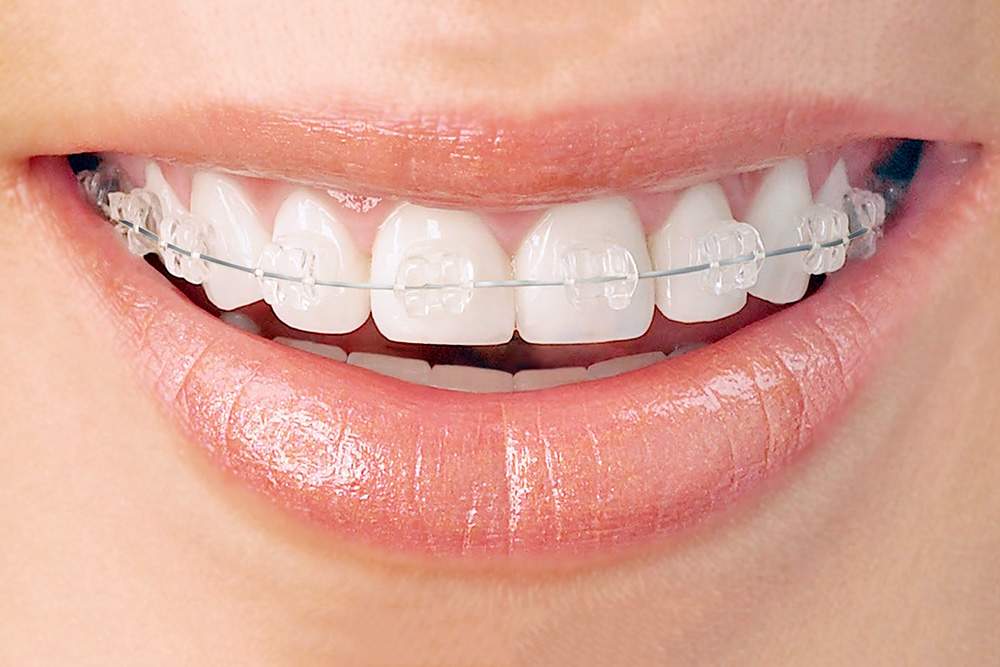
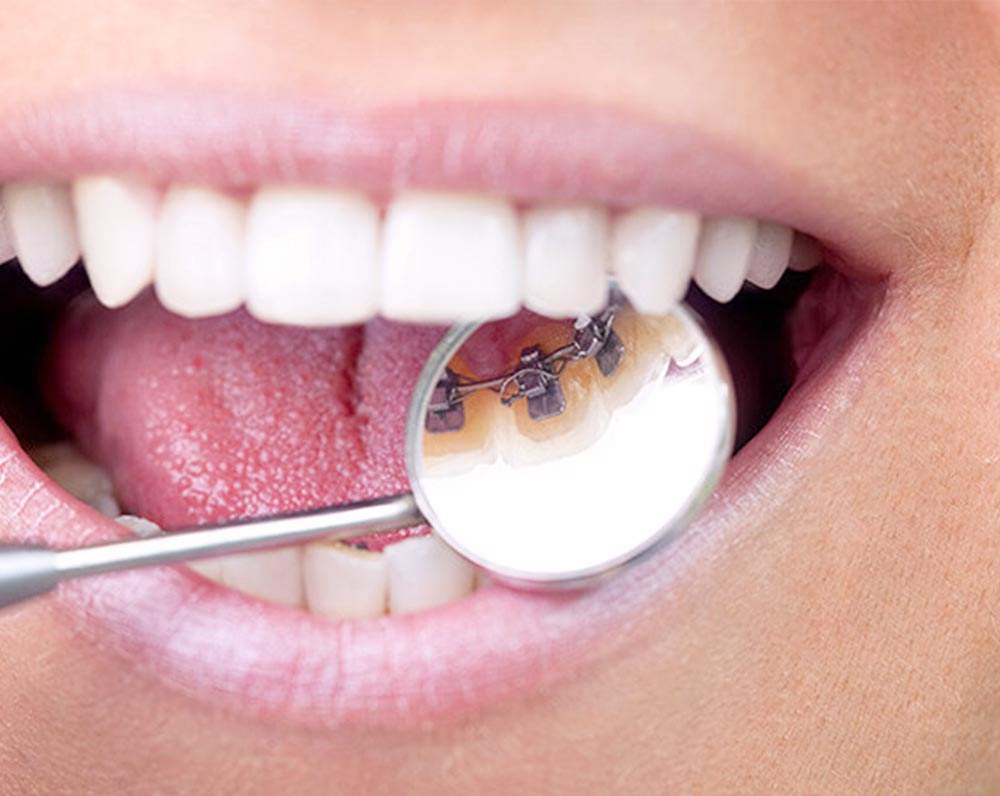
The image shows a close-up photograph of a set of teeth wearing ceramic braces. The ceramic brackets are attached to the front surfaces of the teeth and connected by a thin orthodontic wire. The visual highlights how these tooth-coloured or transparent brackets blend with the natural shade of the teeth. The image clearly displays the positioning and appearance of ceramic orthodontic appliances used to correct dental alignment.

In conclusion, the rise in popularity of ceramic brackets among adults seeking orthodontic care can be attributed to their aesthetic appeal, effectiveness, comfort, stain resistance, customisation options, and the confidence they instil in patients. For adults looking to enhance their smiles without the noticeable presence of metal braces, ceramic brackets present an ideal solution that blends functionality with discretion.

Need more help?
We are by your side.
Please send us a message.
Our friendly staff are ready to assist you.

What others are looking at

The image shows a visual representation related to the cost of orthodontic braces. It may include a person, dental imagery, or symbolic financial elements connected to orthodontic treatment. The photograph focuses on illustrating the concept of treatment cost or payment considerations. The composition highlights elements associated with dental treatment and financial planning related to orthodontic procedures.

Ceramic Braces

Are ceramic braces invisible? Are they right for me?

The image shows individuals sitting together with coffee while discussing or reviewing documents, possibly related to orthodontic treatment planning or financial arrangements. The photograph focuses on people interacting in a casual environment with beverages placed on a table. The visual highlights discussion, planning, or consultation activity while seated in a relaxed setting.

Braces Cost

What's the cost? How you treatment affects the cost.

The image shows lingual braces attached to the inner surfaces of the lower teeth. The braces are positioned behind the teeth facing the tongue rather than the front surfaces. The photograph focuses on the placement of brackets and wires along the inner side of the lower dental arch. The visual clearly shows the structure and positioning of lingual braces inside the mouth.

Lingual Braces

So what if you could hide your braces behind the teeth?

Keep Calm, Smile On.

The image shows a person’s teeth fitted with clear aligners. The aligners appear as transparent trays placed over the upper or lower teeth. The photograph highlights how the aligners fit closely to the dental structure. The focus is on the appliance covering the teeth while maintaining a natural appearance. The image clearly displays how clear aligners look when worn inside the mouth.
The image shows another detailed view of teeth wearing clear braces. The orthodontic brackets appear tooth-coloured and connected with a thin wire. The focus is on showing how the braces fit along the teeth and align across the dental arch. The visual highlights the discreet appearance of the orthodontic appliance when placed on the front of teeth.
The image shows teeth fitted with clear braces that use transparent or tooth-coloured brackets. The braces are attached to the front surfaces of the teeth and connected by a thin wire. The visual highlights how the brackets blend with the natural tooth colour. The image focuses closely on the dental structure to clearly show the orthodontic appliance and its positioning.
The image shows teeth wearing clear aligners fitted closely over the dental surfaces. The transparent trays follow the shape of the teeth and appear smooth and nearly invisible. The photograph focuses on the aligners positioned inside the mouth. The image clearly displays how removable aligner trays look when placed on teeth during orthodontic treatment.
The image shows teeth fitted with clear braces positioned across the dental arch. The brackets appear transparent or tooth-coloured and are connected by an orthodontic wire. The visual highlights how the appliance sits on the tooth surfaces. The image focuses on the braces and their alignment across the teeth during orthodontic treatment.
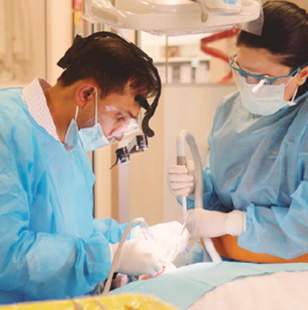
The image shows the interior or exterior of a dental or orthodontic practice environment. It likely includes clinical furniture, treatment chairs, or reception space. The setting appears clean and organised, showing equipment or areas used for patient care. The image focuses on the overall practice layout and professional clinical atmosphere. The visual gives a general view of a dental treatment setting.
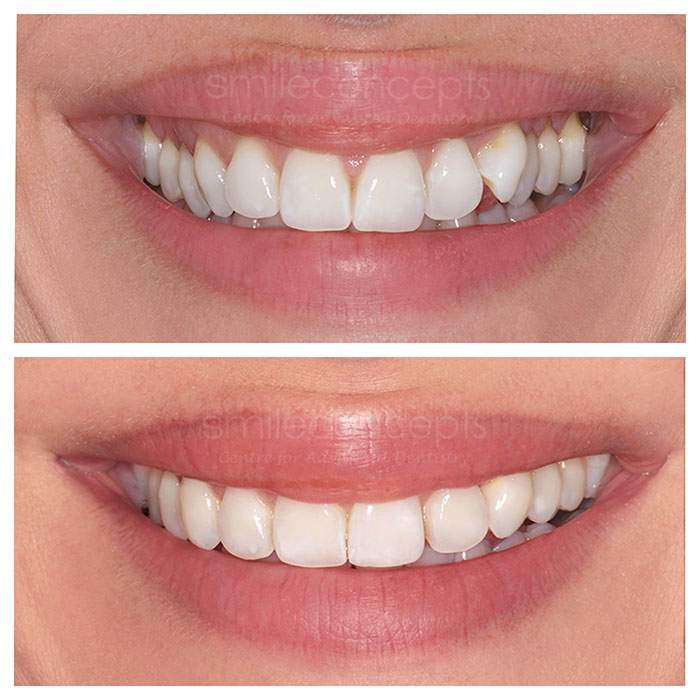
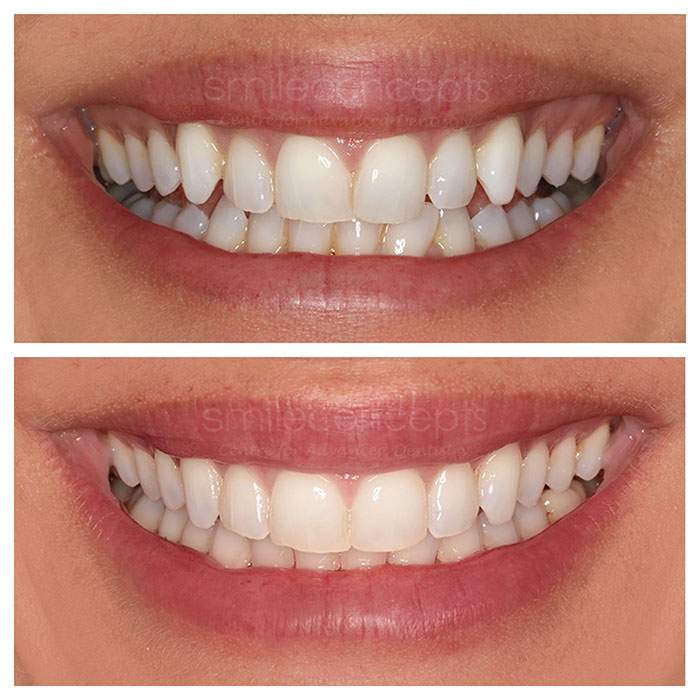
The image shows a close-up dental photograph or orthodontic visual focusing on teeth alignment or orthodontic treatment progress. The visual highlights the dental structure, tooth positioning, and possible orthodontic appliances. The photograph emphasises dental details and arrangement of teeth while showing the orthodontic condition or treatment stage.
The image shows a graphic or photograph representing clear braces attached to teeth. The braces appear tooth-coloured or transparent and are positioned on the front surfaces of the teeth. The visual focuses on how clear braces blend with natural tooth colour. The composition highlights the placement and appearance of orthodontic brackets designed to be less noticeable.

Free City Parking Available | Interest Free Payment Plans